

EFOP

EFOP

Support for individuals with changed work capacity

The project implemented by the Slachta Margit National Institute of Social Policy under the Széchenyi 2020 program provides support for individuals with changed work capacity, assisting them in preparing for employment. It has also established ongoing partnerships with a variety of employers, covering multiple work areas, ensuring placement opportunities in the labor market. Thanks to the co-financing of the European Union and the Hungarian state, a counseling network has been established at more than 40
Read more »
EFOP

Personality development programmes for strengthening children’s skills

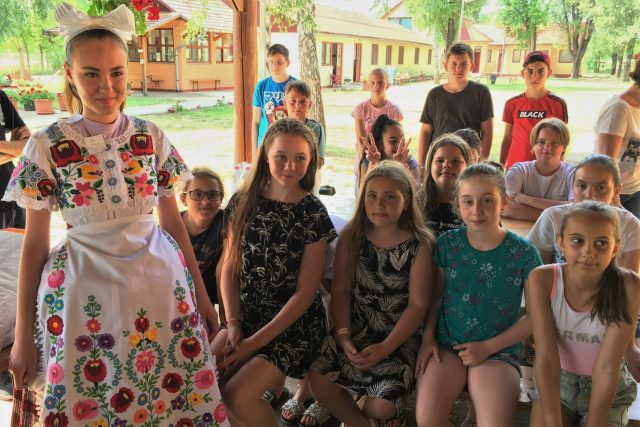
Developing children’s learning skills, strengthening language and communication skills, fostering creativity development and the acquisition of digital knowledge – those were the themes of the Csodaszarvas (Miraculous Deer) Community Program at THE LÁSZLÓ VÁSÁRHELYI PRIMARY SCHOOL OF ART in Nyíregyháza. More than seven hundred students participated in the project, which was implemented within the framework of the Human Resources Development Operational Programme during the European Union 2014-2020 programming period. The Csodaszarvas School Community Program is

Read more »
EFOP

Support for the future STEM professionals at the University of Debrecen

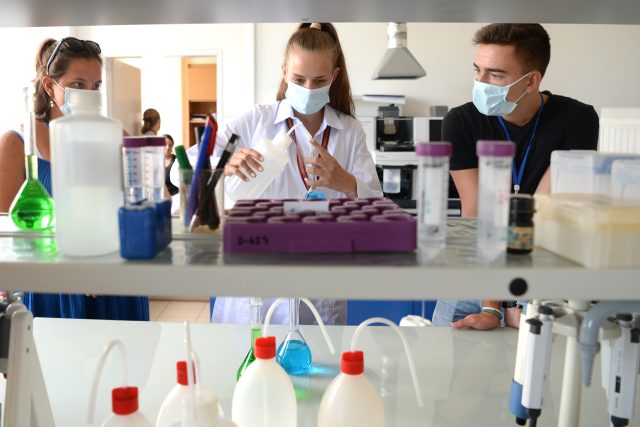
The University of Debrecen has increased the popularity of STEM (Science, Technology, Engineering, Mathematics) majors, as well as the number of applicants for the courses, with about 100 STEM popularization events. Nearly 10,000 young people were reached with the series of events implemented with the support of the Széchenyi2020 development program. The University of Debrecen pays special attention to the development of training and research areas of Engineering and IT, adapting to the needs of

Read more »
EFOP

Handicraft house in Kiscsősz became a home of exhibitions, trainings and workshops

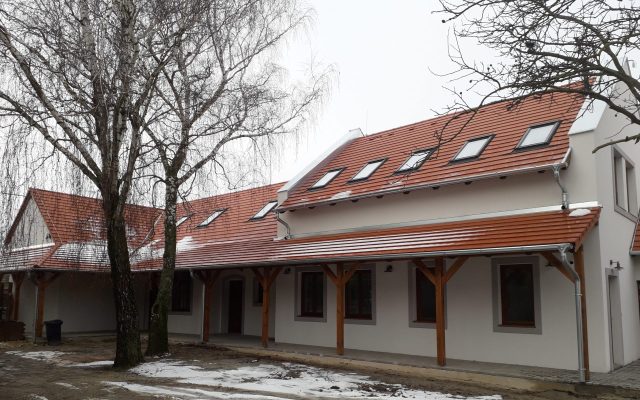
For twenty years the Élő Forrás Tradition Preservation Association in Kiscsősz has been working on preserving folk traditions, however, proper infrastructure was not available for them to this work. In the 2014-2020 programming period, thanks to funds provided by Széchenyi 2020 programme, the Hunyor Regional Folk Handicraft House was established, in which the association’s programmes found a home. Since its foundation in 2003, the Élő Forrás Tradition Preservation Association in Kiscsősz has been engaged in

Read more »
EFOP

The world is a rounder place in Pécs

New services have been added to the primary school for special needs children run by the Kerek Világ Alapítvány (Round World Foundation). In addition to equine and canine therapy, a special room has been created where children can stimulate their senses in a harmonious and calming environment with different stimuli, including light, colour, sound, music and scents. Through the Széchenyi 2020 Human Resource Development Operational Programme, several billion HUF of EU funds were allocated between

Read more »
EFOP

Balassagyarmat Hospital’s equipment enhanced with three ultrasound devices

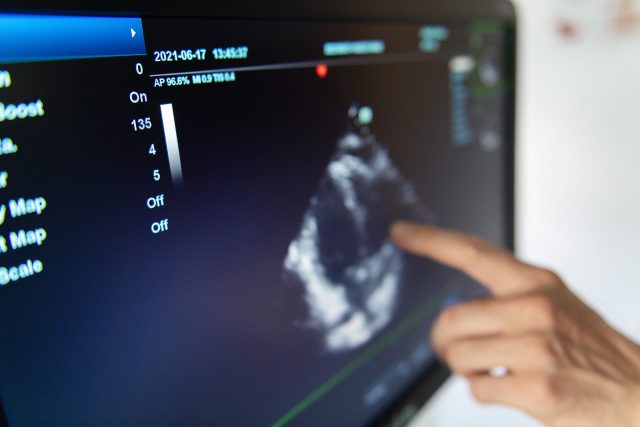
The Dr. Kenessey Albert Hospital and Outpatient Clinic in Balassagyarmat has enhanced its diagnostic capabilities with three new ultrasound devices, leading to more accurate results, targeted treatments, and faster patient care. These devices were acquired during the 2014–2020 European Union funding period, as part of an EFOP (Human Resource Development Operational Programme) project. The acquisition was motivated by the desire to reduce the pressure on healthcare workers, achieve higher quality care, and increase overall patient

Read more »
EFOP

Healthcare IT systems can save lives

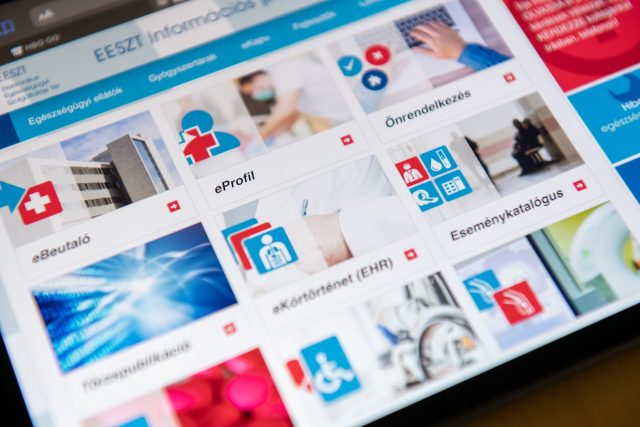
Thanks to a development by the State Health Care Centre as the consortium leader, funded by the Human Resource Development Operational Programme, health data can now be collected in patients’ homes. The introduction of remote diagnosis was made possible by a central IT system named Telemedicine, created as part of the project, which, along with several other innovative solutions, enhances patient safety. The IT developments in healthcare mean that more patients can visit various care

Read more »
EFOP

Help from birth to employment

In the past years, the Hungarian Maltese Order has made a huge difference in Kunhegyes district, where the Presence model programme, implemented with EU funding, has significantly improved the living conditions, access to services and learning opportunities of the local population. The Maltese programme aims to accompany children from birth to employment, giving them the chance to have a better life than their parents had.  The Hungarian Maltese Order has been present in Kunhegyes, which

Read more »
EFOP

Cutting edge technology: robots in rehabilitation

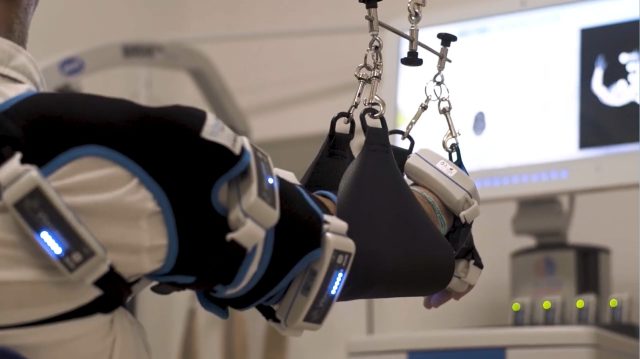
In the framework of an EU funded project The National Medical Rehabilitation Centre has made a major step forward in the prevention and treatment of musculoskeletal disorders by using innovative robotic therapy tools in complex rehabilitation procedures. For most people, walking or picking up a pen comes easy. However, for those who have suffered a stroke with paralysis or a serious spinal cord injury as a result of an accident, these activities are not at

Read more »
EFOP

Unique procedure for stroke patients

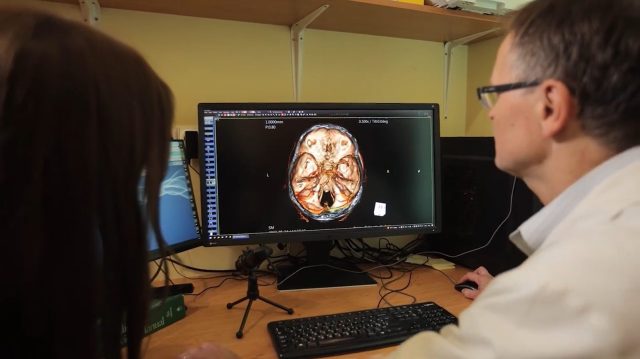
A new project implemented at the National Institute of Mental Health, Neurology and Neurosurgery (Hungarian abbreviation: OMIII) is using artificial intelligence to speed up treatment for acute stroke patients and support improved access to care across the country. The project, which is part of the Human Resource Development Operational Programme (HRDOP), makes a significant contribution to social innovation and thus to Hungary’s competitiveness. The Mental Health, Neurology and Neurosurgery is one of the five busiest

Read more »
EFOP

Early Childhood Centre: help for families with premature babies

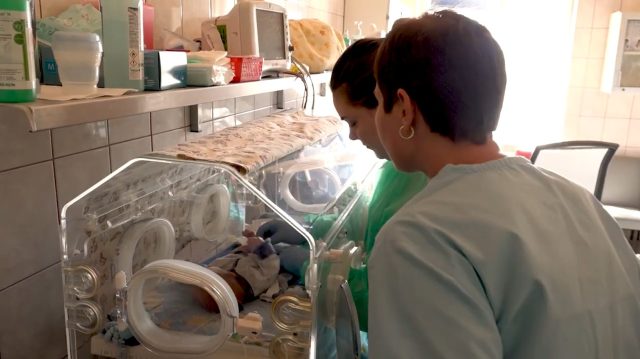
The main priority of projects of the 2014-2020 programming period is to promote the economic and social cohesion and the competitiveness of the country, to which the Human Resources Development Operational Program (HRDOP) could contribute, among other things, by improving the social environment and health care. The Korábban érkeztem (I have arrived early) Regional Premature Intensive Care Unit Foundation of Southern Great Plain has established its Premature Centres in Szeged, Kecskemét and Gyula with EU

Read more »
EFOP

Library on four wheels

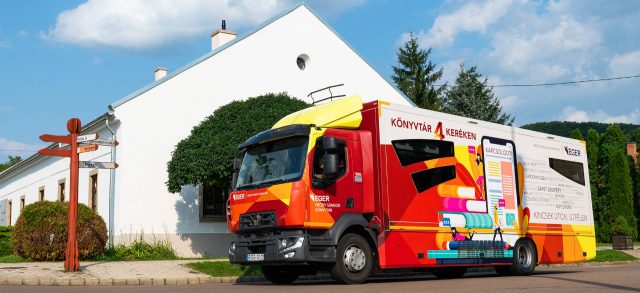
The primary goal of the Széchenyi2020 development program is to promote the economic and social cohesion and competitiveness of the country, to which the Human Resources Development Operational Programme (HRDOP) could contribute, among other things, by improving the social environment. Within the framework of this program, the library bus project led by Sándor Bródy County and City Library in Eger was also introduced, which literally “brings culture home”. The innovative programme ensures equal access to

Read more »