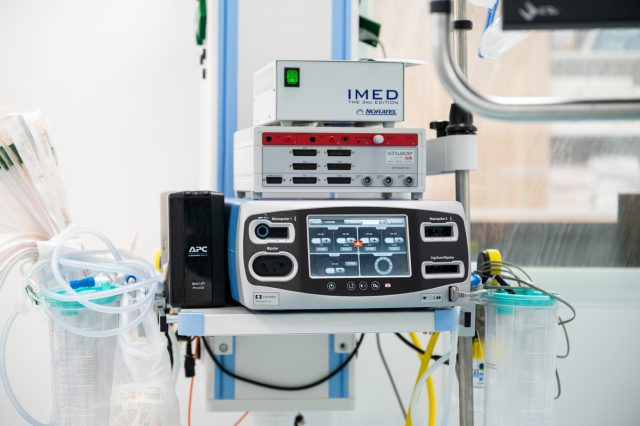


Seventy-year-old Erzsike arrived at the health centre in Zalaszentgrót for a routine medical appointment. She had been there many times before, but this visit felt a little different. She had heard that the centre had undergone some major improvements and was curious to see what had changed. Thanks to EU funding, medical equipment had been upgraded across fifteen specialist departments, bringing modern technology and new diagnostic tools closer to local patients. Erzsike may not know much about medical equipment, but she knows just how much it means to have essential examinations available close to home. At seventy, early starts, long bus journeys and hours spent waiting can take quite a toll.
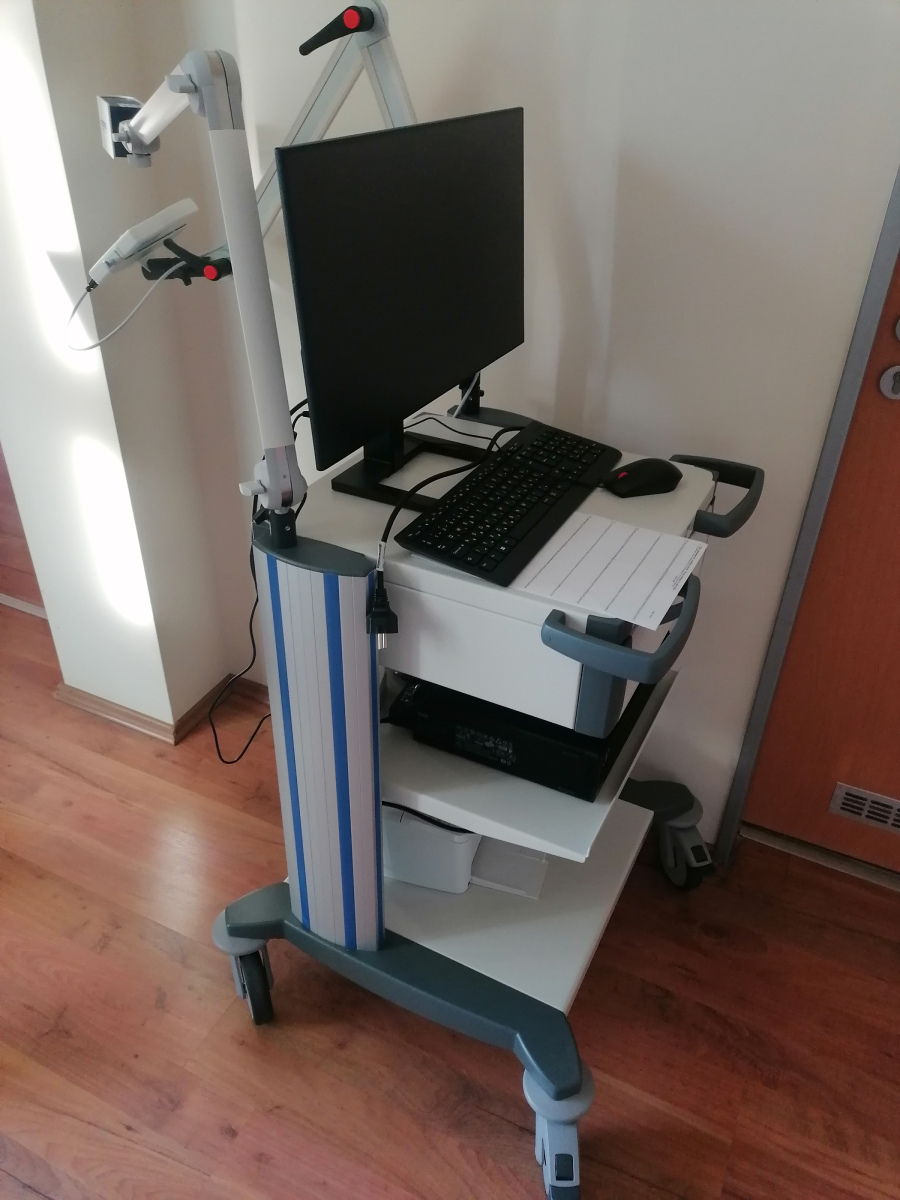
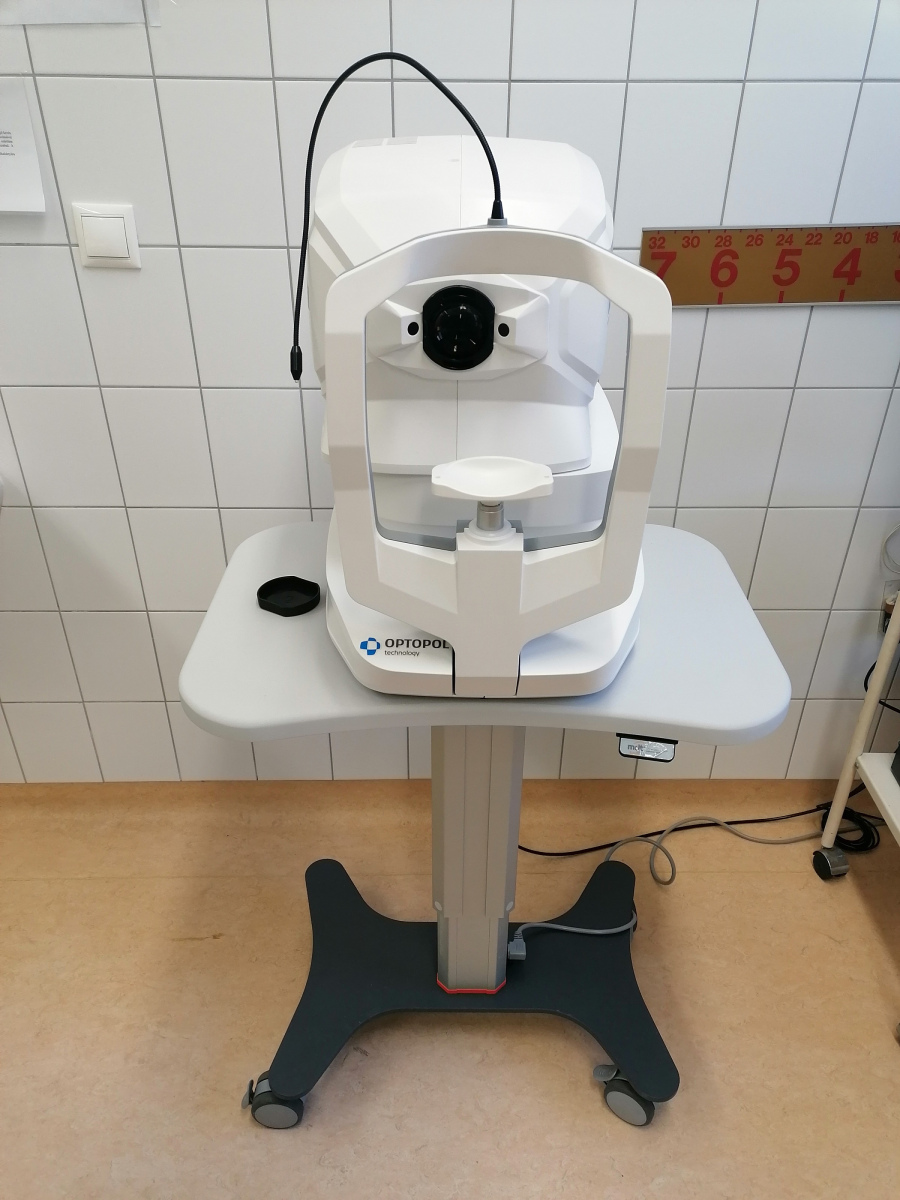
Her first stop was the ophthalmology department, where the doctor introduced her to some of the new equipment. A fundus camera can now capture detailed images of the back of the eye, while an optical coherence tomography (OCT) scanner allows specialists to examine its different layers in remarkable detail. Both devices can help doctors detect certain eye conditions at an early stage, when timely diagnosis can make a real difference.
On her way through the centre, Erzsike bumped into her neighbour Marika, who had just come from the dermatology department. She had been having a mole checked with a new digital dermatoscope, which provides sharp, high-resolution images of skin lesions. The department also has a modern cryotherapy device, making it possible to treat certain skin conditions on site.
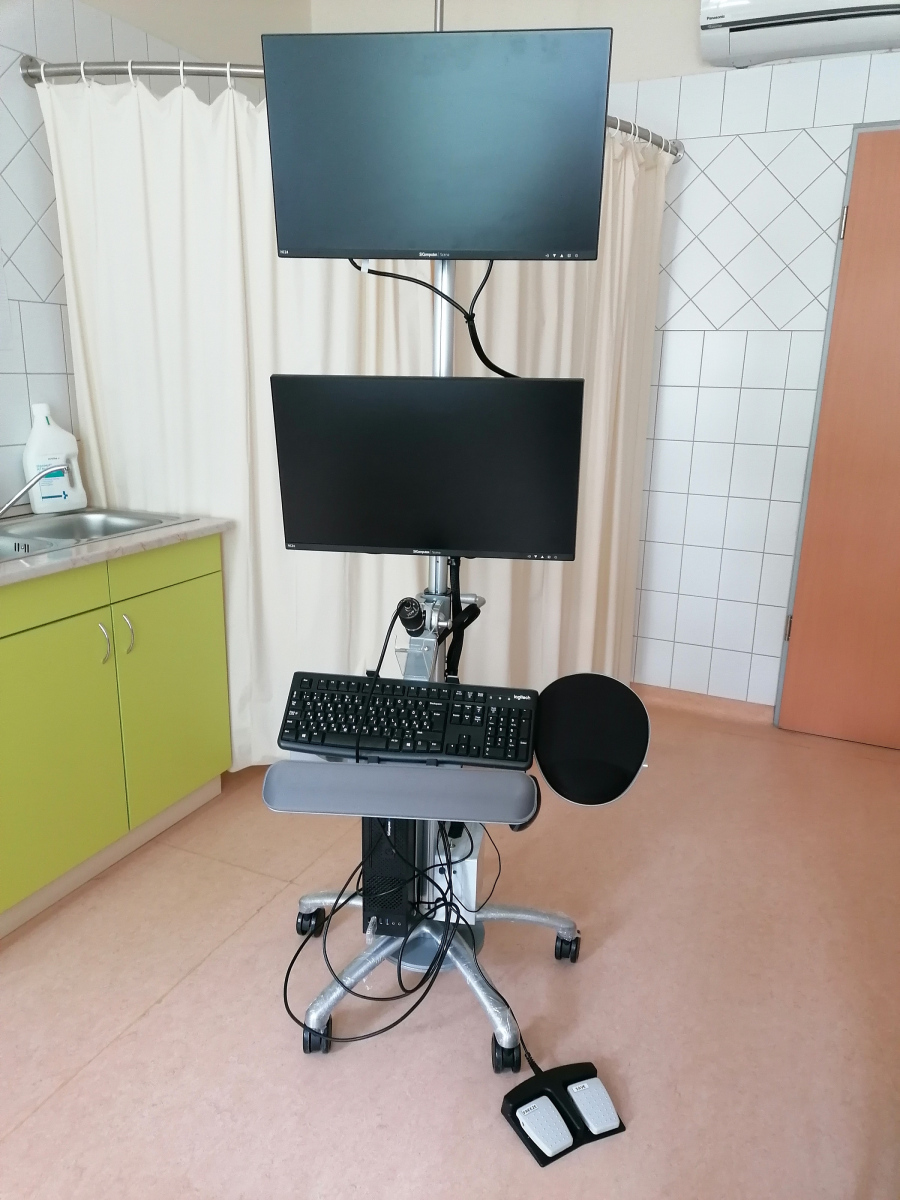
As she learned more about the improvements, Erzsike realised that the upgrades extended far beyond the departments she had visited. Neurology now has a new EEG machine to support the diagnosis and assessment of conditions such as epilepsy, while the ear, nose and throat department has received advanced equipment for more thorough examinations of the throat and larynx. New ultrasound machines have been introduced in cardiology and diagnostic imaging, with further investments made in pulmonology, paediatrics, internal medicine, urology, gynaecology, surgery and rheumatology. The laboratory and physiotherapy departments have also benefited from upgraded equipment.
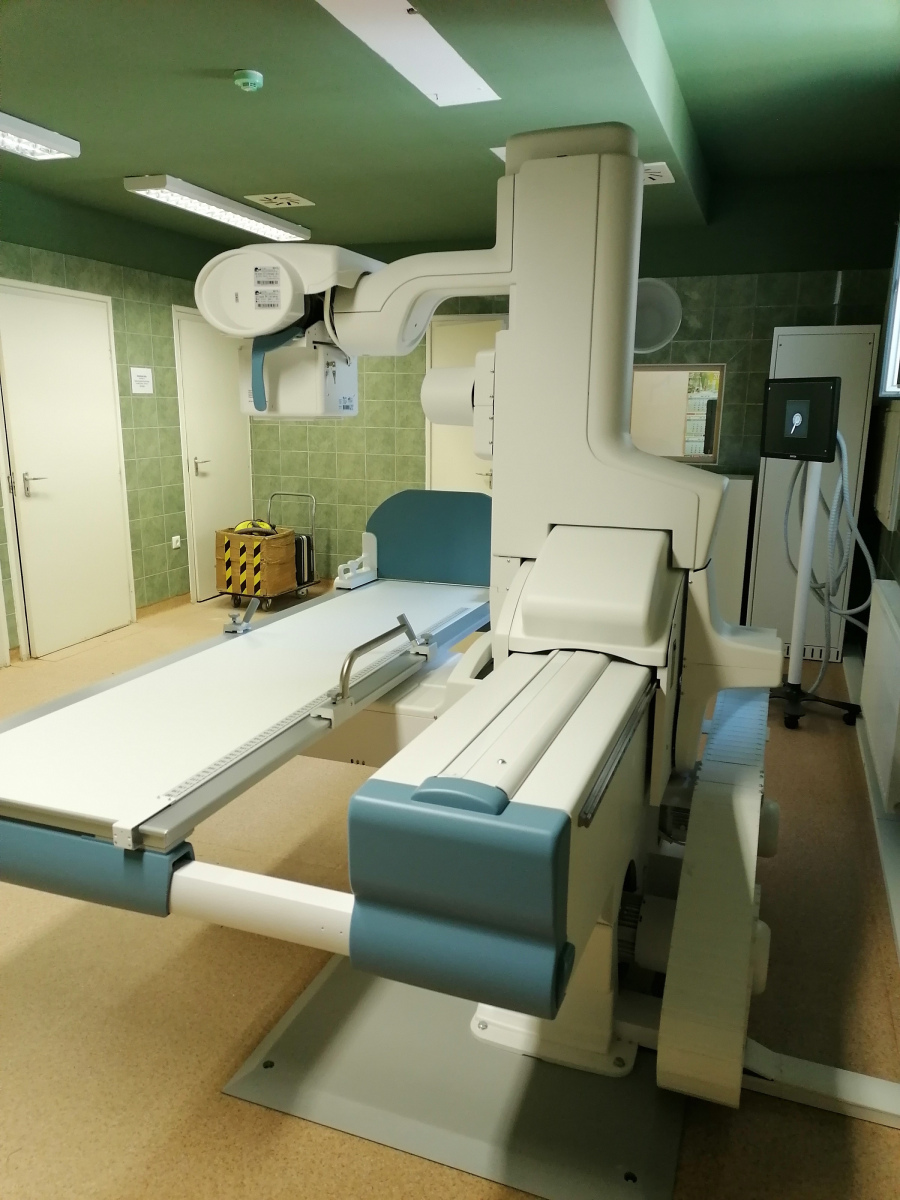
One addition that particularly caught Erzsike’s attention was the new digital X-ray system. She still remembered the days when patients had to carry their X-ray films from one doctor to another. Now, a modern, multifunctional system produces digital images using lower radiation doses than the previous technology. These images can also be shared with specialists at other healthcare institutions through a teleradiology system, allowing radiologists to examine them remotely. This means patients no longer necessarily have to travel to another facility simply to have their images assessed. The technology itself may seem a little complicated to Erzsike, but its benefits are easy enough to understand. Medical images and reports can reach the right specialists more quickly, helping to shorten the wait for diagnosis and treatment.
On her way home, Erzsike found herself reflecting on what medical progress really means. When people think of advances in medicine, they often imagine groundbreaking discoveries, extraordinary operations or technologies that once seemed impossible. Yet in everyday life, progress can mean something far simpler. Sometimes, it means no longer having to get up at the crack of dawn and travel to another town for a medical examination.
For Erzsike, there was something deeply reassuring about knowing that more and more examinations could now be carried out right there in Zalaszentgrót, just a short distance from home. And at seventy, she had come to appreciate the value of changes like these. After all, some of the most meaningful advances in healthcare are the ones that make everyday life a little easier, safer and less stressful.
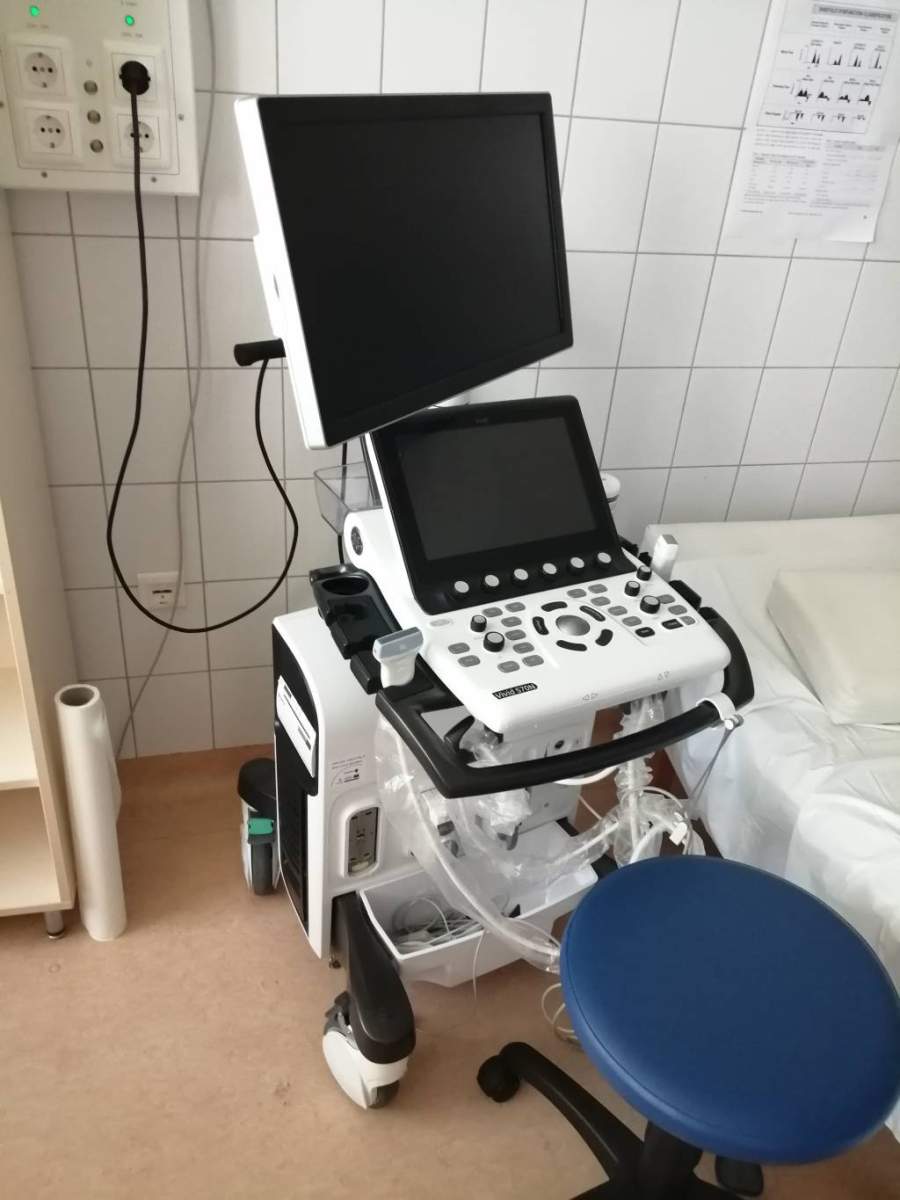
The development was implemented from EU funding in the project EFOP-2.2.19-17-2017-00046 under the Human Resource Development Operational Programme.
Find out more about the project in the Project Finder:Details