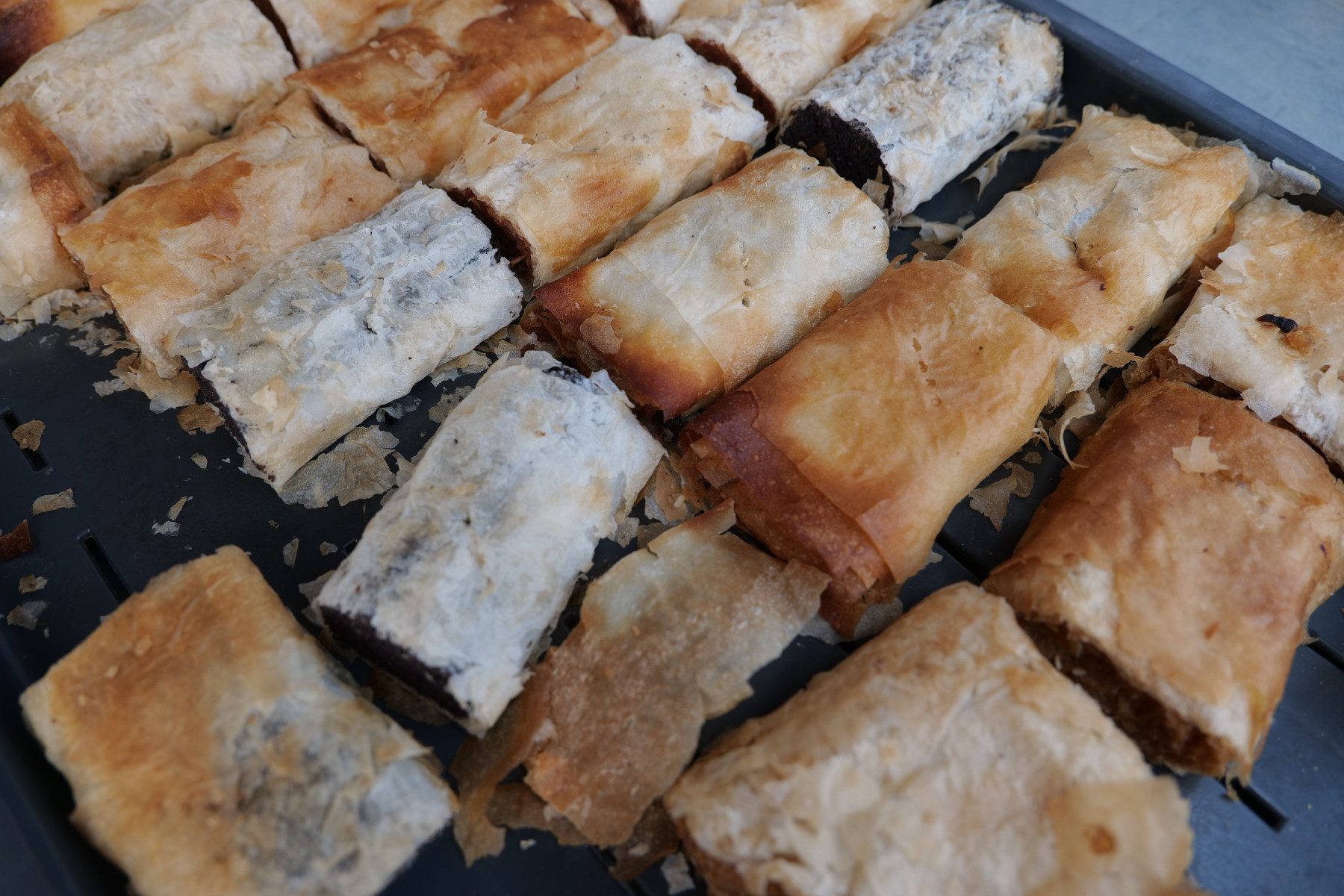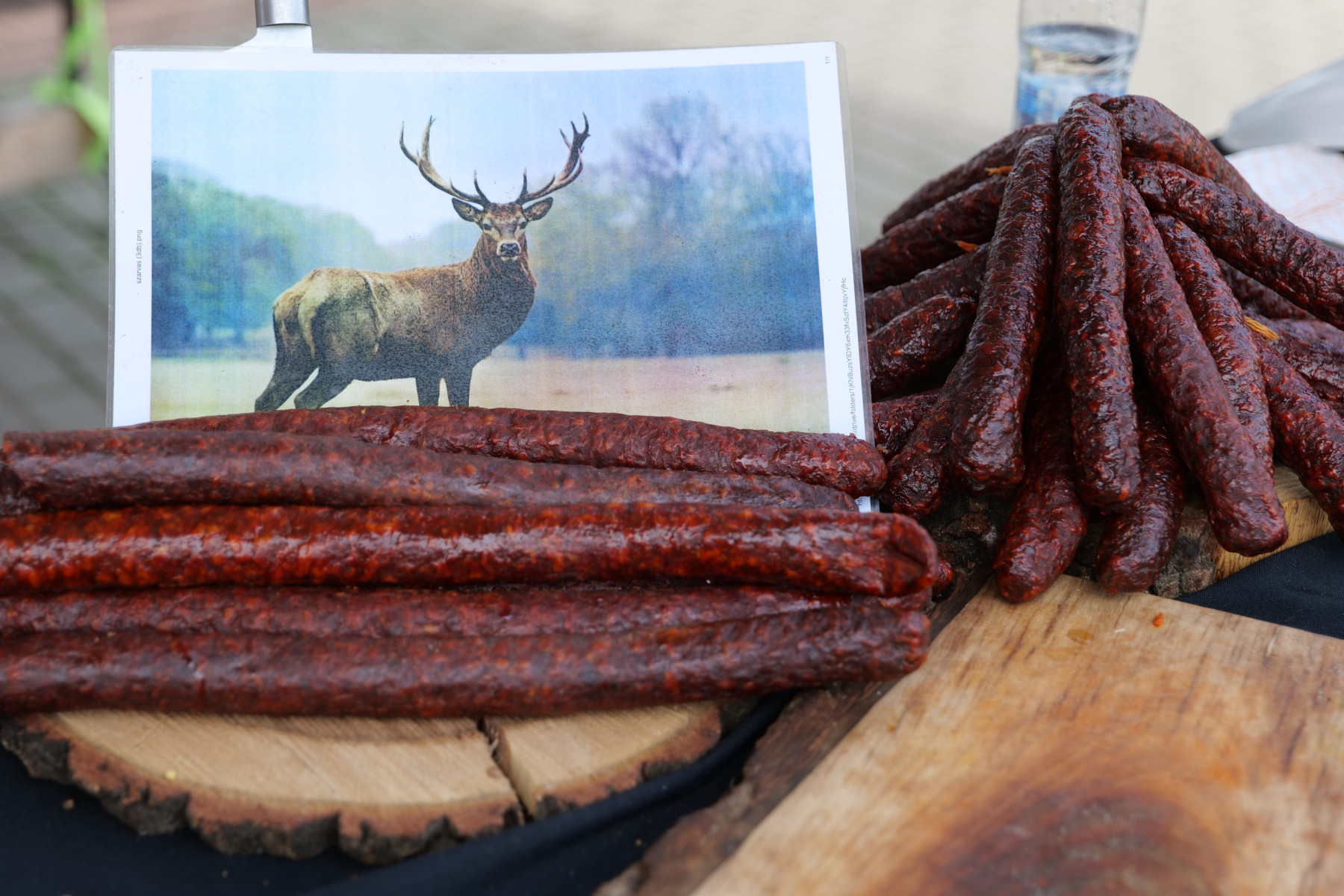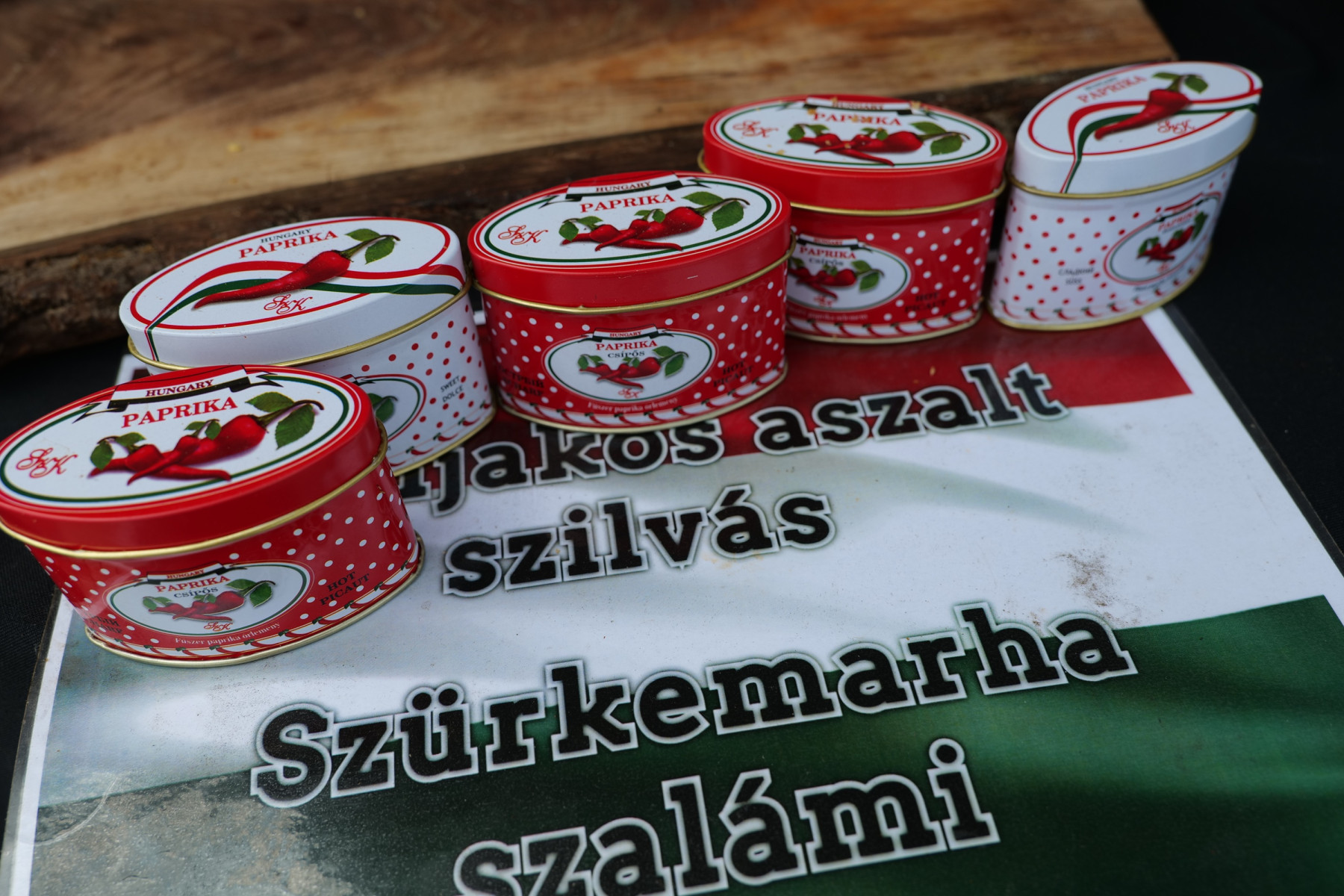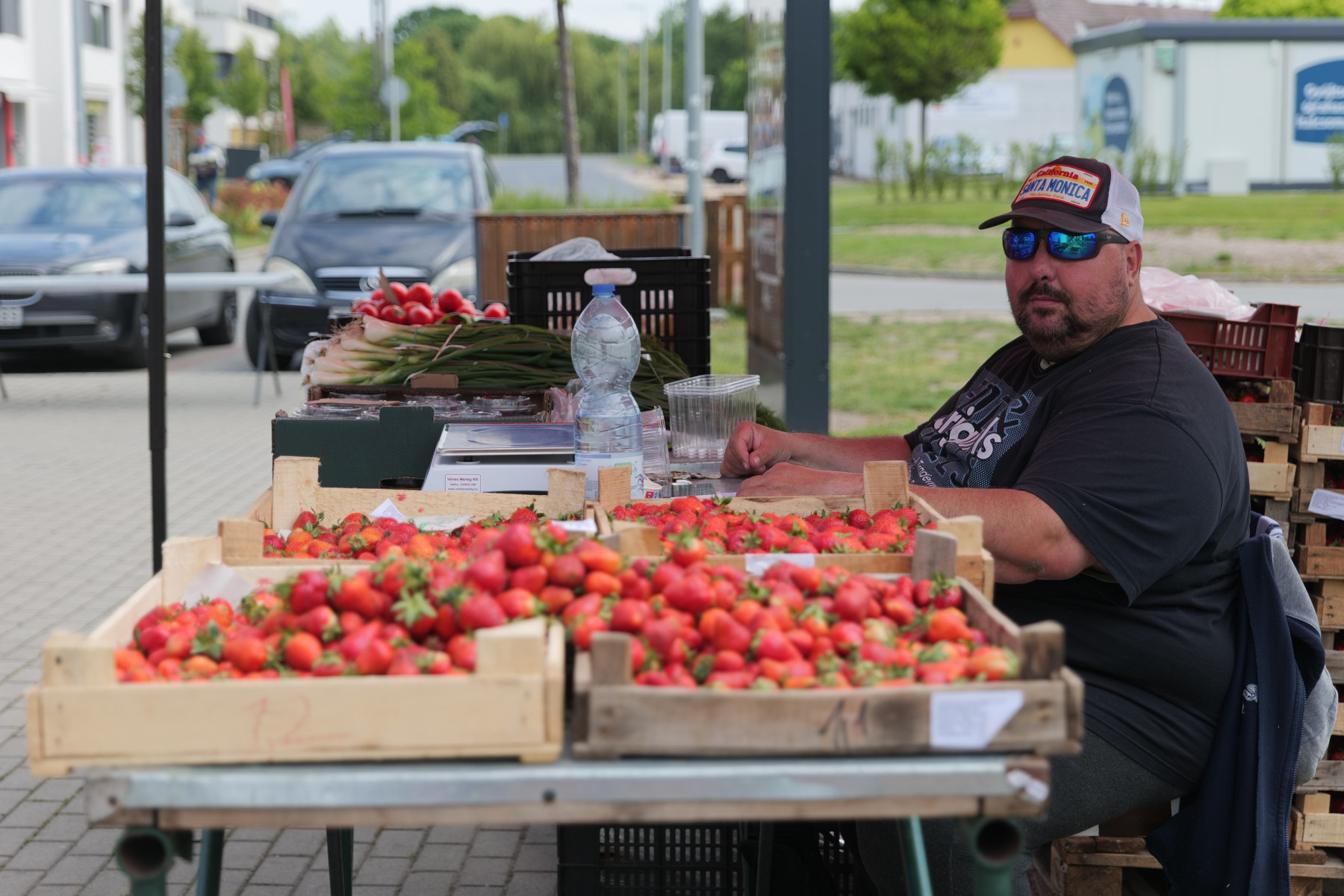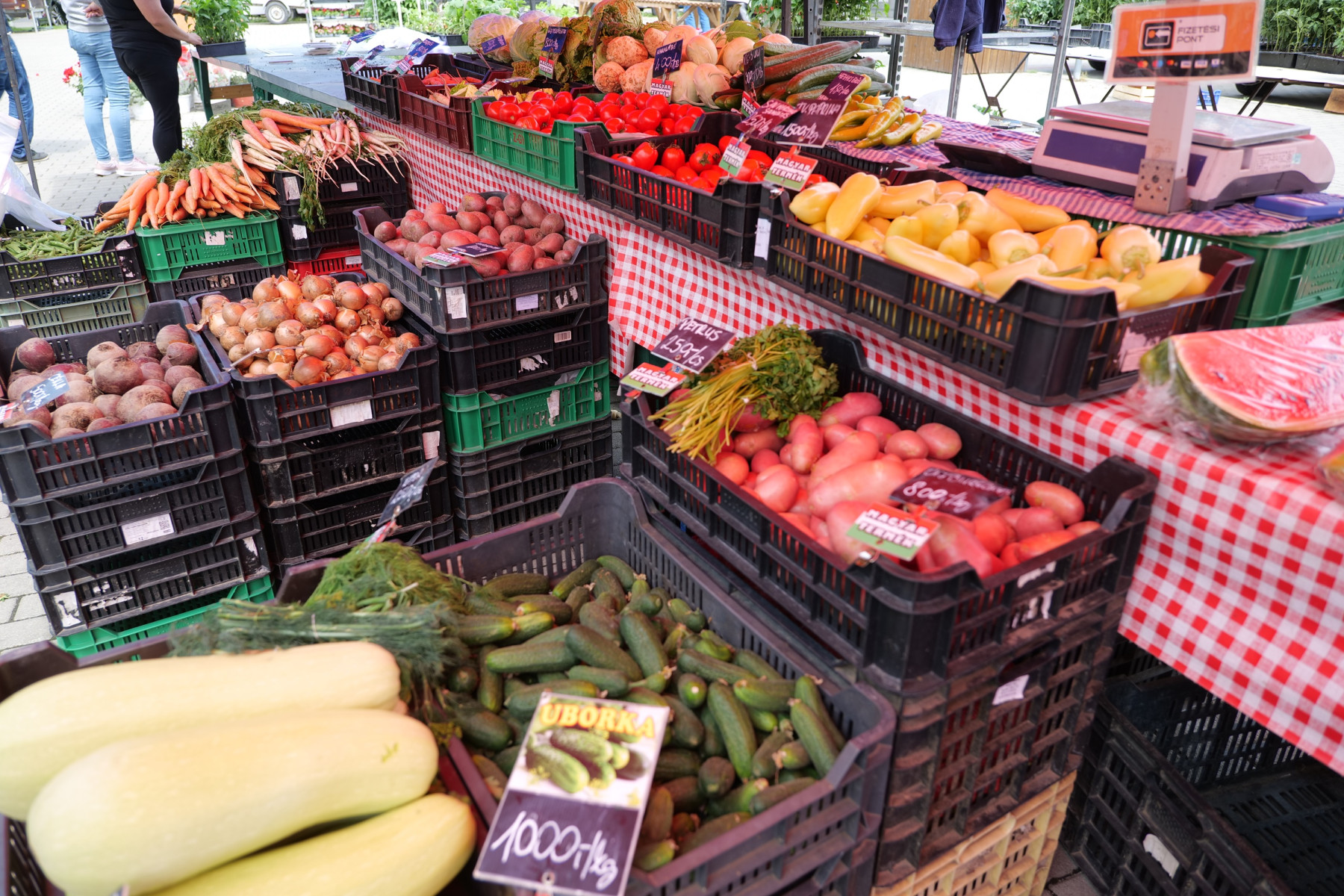

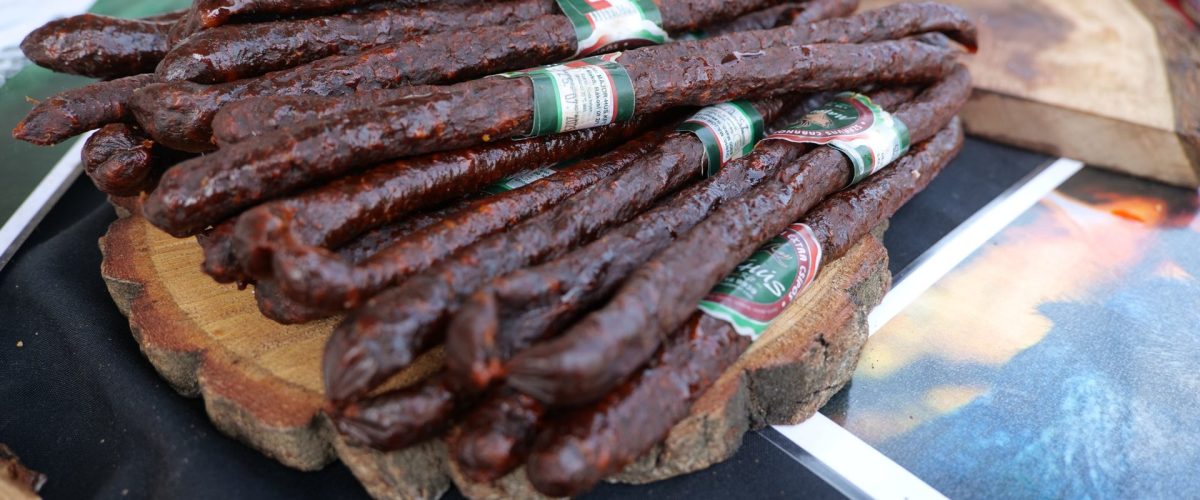
Local products often come with a personal touch. Whether it is food made by family-run businesses, treats prepared from recipes passed down through generations, or fresh produce grown in nearby fields, Tata’s new market brings together the best local and regional products in one place.
An EU-funded project helped create the infrastructure needed to make it easier for local producers to sell their goods directly to customers. The aim was to strengthen the local economy by providing better sales opportunities for producers while giving residents easier access to products made and grown nearby. This short supply chain also means that customers can choose from fresher, traceable products and know where their food comes from.
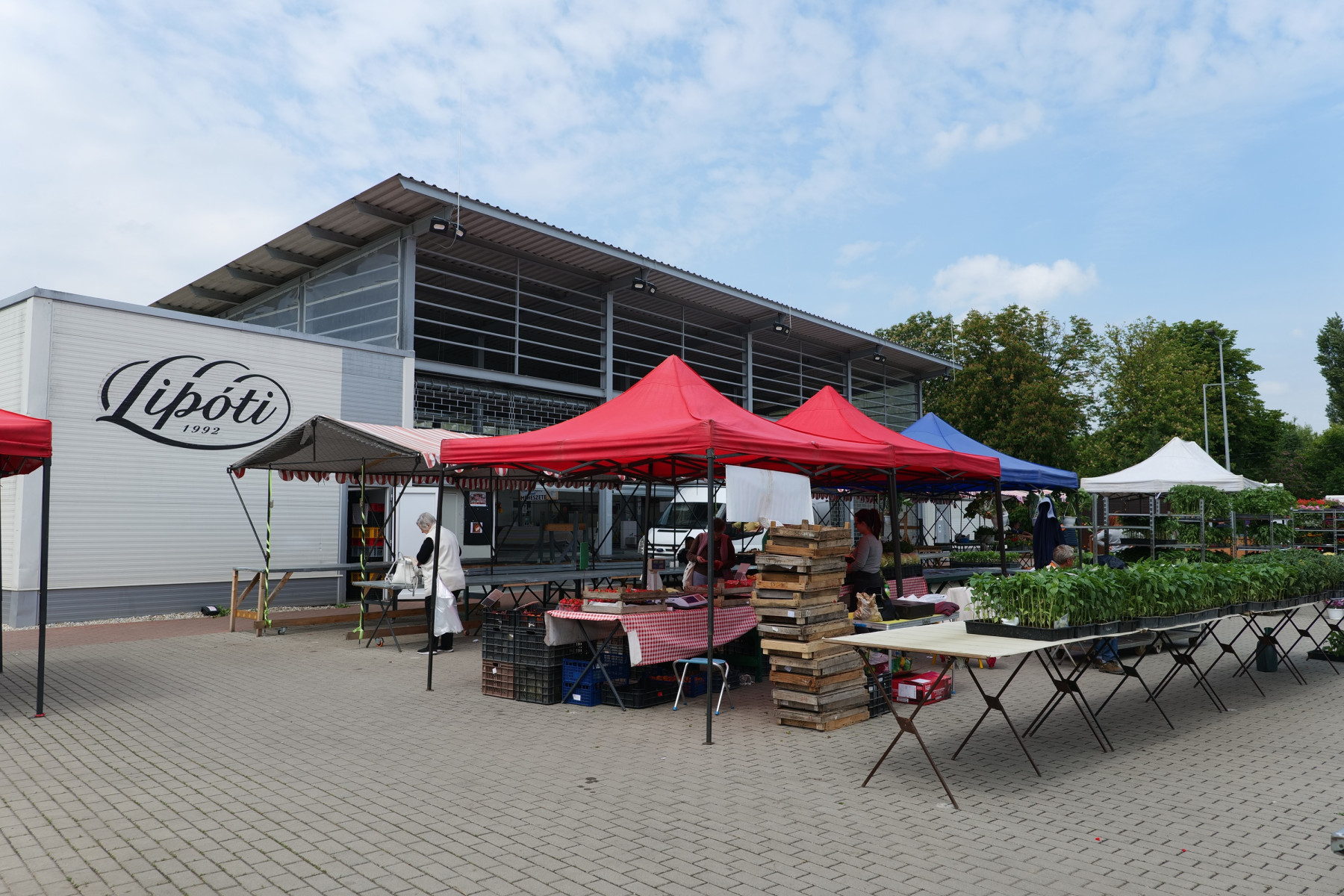
The new market was built on a site of almost one hectare. The accessible and energy-efficient market building offers modern facilities designed to meet the needs of both vendors and shoppers. There are 340 square metres of covered selling space and a further 400 square metres of outdoor market area, as well as thirty new parking spaces. The building also includes four shops suitable for selling fresh meat, milk and dairy products, and baked goods.
The new market attracted strong interest even before it opened. Several local and regional producers had already expressed their intention to use the facility, which offers them new opportunities to sell their products and operate in a more suitable and competitive environment. Marketing activities also accompanied the development to help more people discover the new market and the wide range of local products available there.
Tata’s market is more than simply a place to shop. Many local producers and small businesses bring their goods here, creating opportunities for customers to meet the people behind the products, talk to them and learn more about what they make. In this way, the market also serves as a community space, bringing town and countryside closer together through the region’s local produce and culinary traditions.
The development was implemented from EU funding in the project TOP-1.1.3-15-KO1-2016-00003 under the Territorial and Settlement Development Operational Programme.
Find out more about the project in the Project Finder:Details