
For two days, cars disappeared from Kálvin Square, Liberty Bridge and the Budapest University of Technology and Economics embankment, making way for cyclists, families, activities and curious visitors. The city was filled with lively conversations, interesting topics, questions and answers about how we travel today – and what mobility could look like in the future.
As part of this year’s European Mobility Week, Budapest once again hosted Car-Free Weekend on 19–20 September 2026. As in previous years, the National Development Centre (NFK) was also there to meet visitors.
Under the motto “Mobility for Everyone”, the NFK stand at Kálvin Square introduced visitors to EU-funded projects supporting public transport, sustainable mobility and the goal of a Greener Europe. Anyone stopping by could learn, for example, that the purchase of Budapest’s new CAF trams, as well as the KISS and FLIRT trains improving suburban rail services around the capital, was supported by EU funding.
Learning about the European Union was once again made more engaging through games. NFK organised an interactive quiz covering transport development, environmental protection, cycling and sustainability. Participants could also learn more about the results of the ITOP, ITOP Plus, TSDOP and EEEOP Plus programmes.
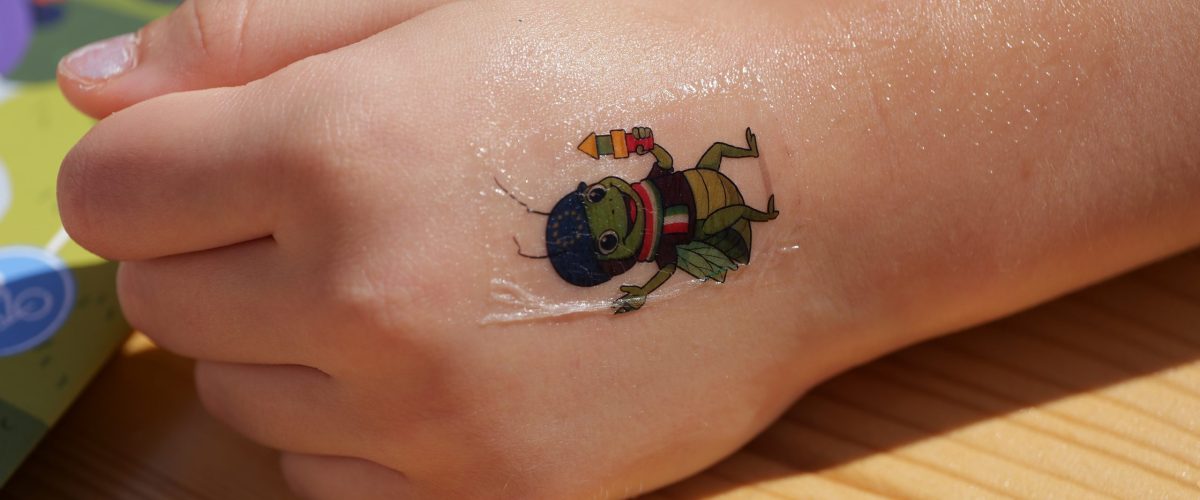
There was also something at stake in the quiz: correct answers earned prizes. Younger visitors could enjoy Szecső colouring sheets, face tattoos and balloons, giving parents a little more time to explore the world of EU-funded developments.
Over the two days, around 2,500 people visited the NFK stand. The event created plenty of opportunities for face-to-face conversations, while also helping to raise awareness of the Együtt fejlődünk/Growing together brand. Many visitors also signed up to follow its online media channels.
Car-Free Weekend was therefore about more than simply imagining different ways of getting around. It also showed how EU-funded developments become part of everyday life. And if a good quiz, a few conversations and a family programme can bring these topics closer to people, then that is already one step towards a greener and more sustainable future.