
There is a town at the foot of the Alps where history comes alive far beyond museum walls. A walk along the cobbled streets, a glance up at the castle walls or the sound of bells ringing at eleven in the morning is enough to remind visitors that the past is still very much part of everyday life here.
For anyone who has not guessed the town yet, the answer is Kőszeg. Few places in Hungary preserve their historical heritage as visibly as this charming town. Its name has been closely linked for centuries with Miklós Jurisics, who led the defenders of Kőszeg Castle against the Ottoman army advancing towards Vienna in 1532. The bells that ring at 11 a.m. to this day commemorate the courage of the town’s defenders. Jurisics Castle remains one of Kőszeg’s best-known landmarks, while its late Gothic and early Renaissance features make it a particularly important example of Hungarian castle architecture.
Kőszeg is still a distinctive destination today. Its atmospheric historic centre, the centuries-old Book of the Coming of the Grapes, and the nearby Kőszeg Mountains and Írottkő Nature Park combine history, nature and a unique local character that makes the town worth returning to again and again.
Preserving this heritage as a living part of everyday life also means adapting public spaces to present-day needs. An EU-supported environmentally conscious regeneration project in the Kőszeg Városmajor area brought improvements to several parts of the urban environment.
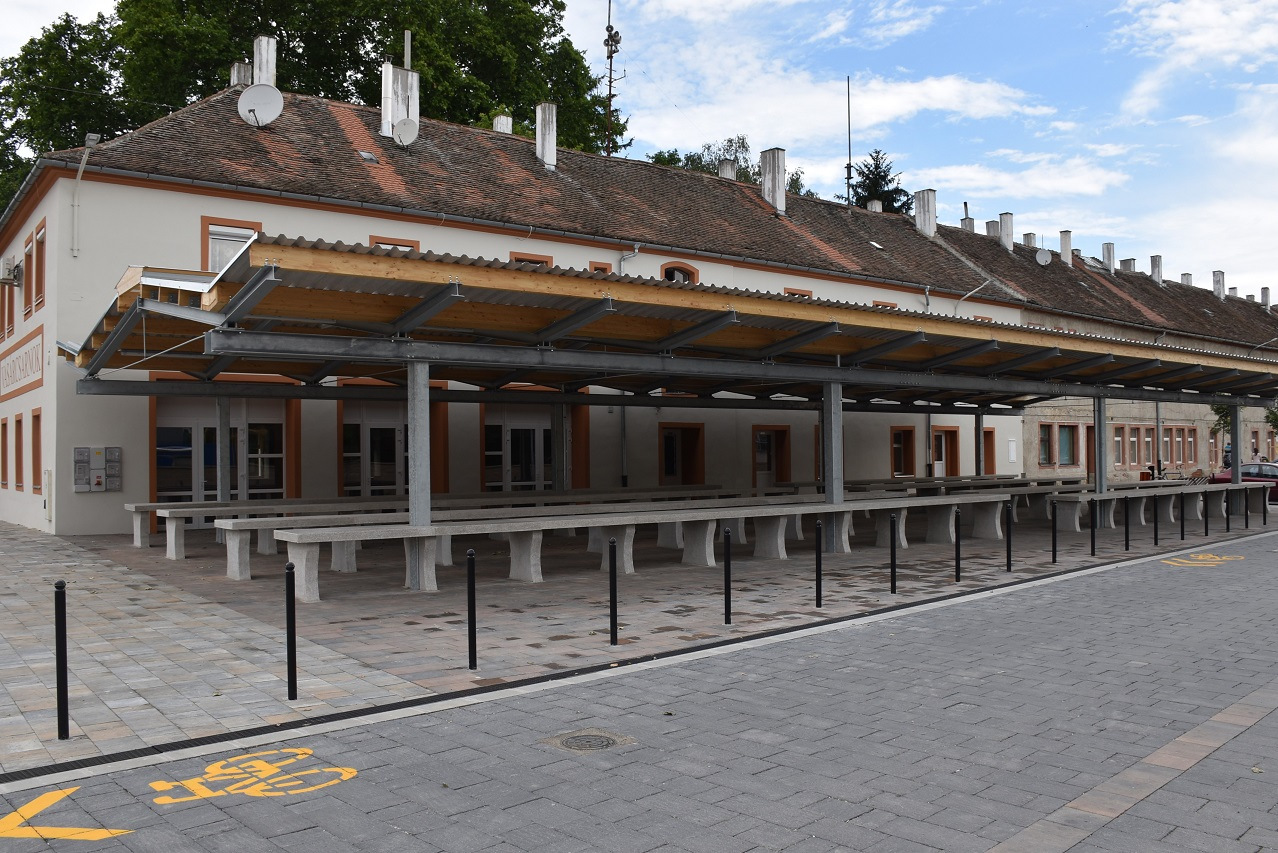
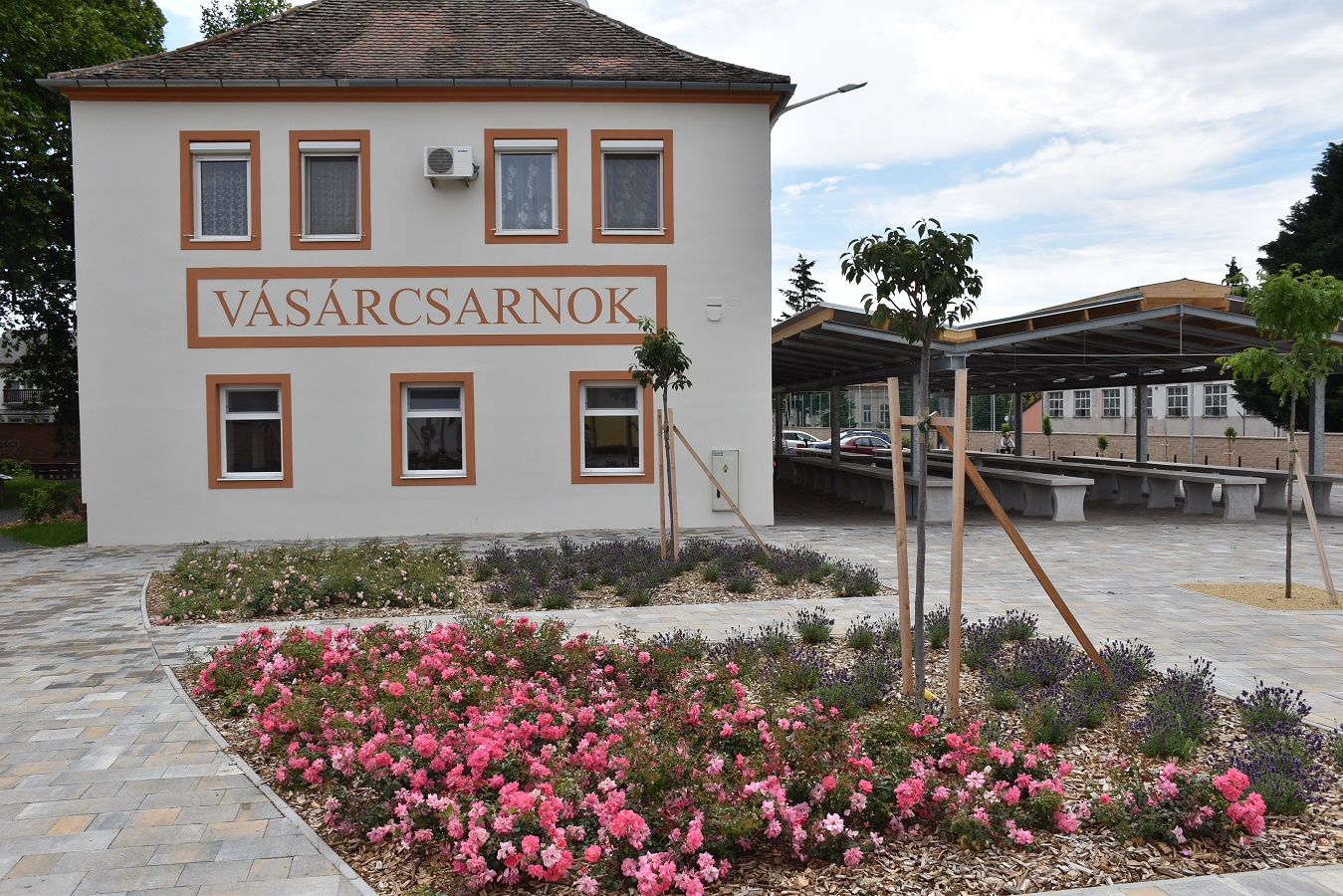
One of the most visible changes was the redevelopment of the market. A modern market area was created with semi-mobile stalls and covered selling spaces, while additional room was made available for further vendors.
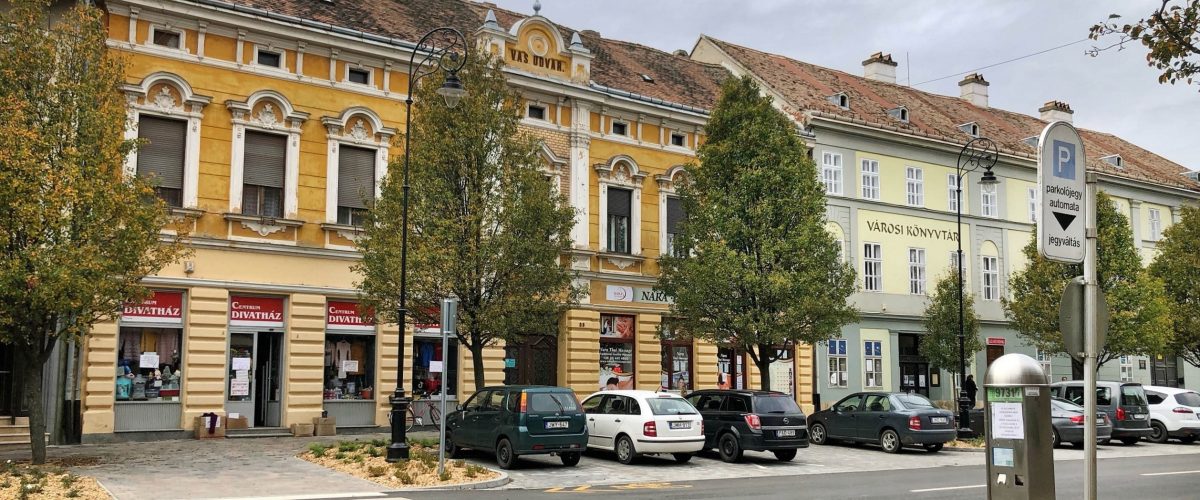
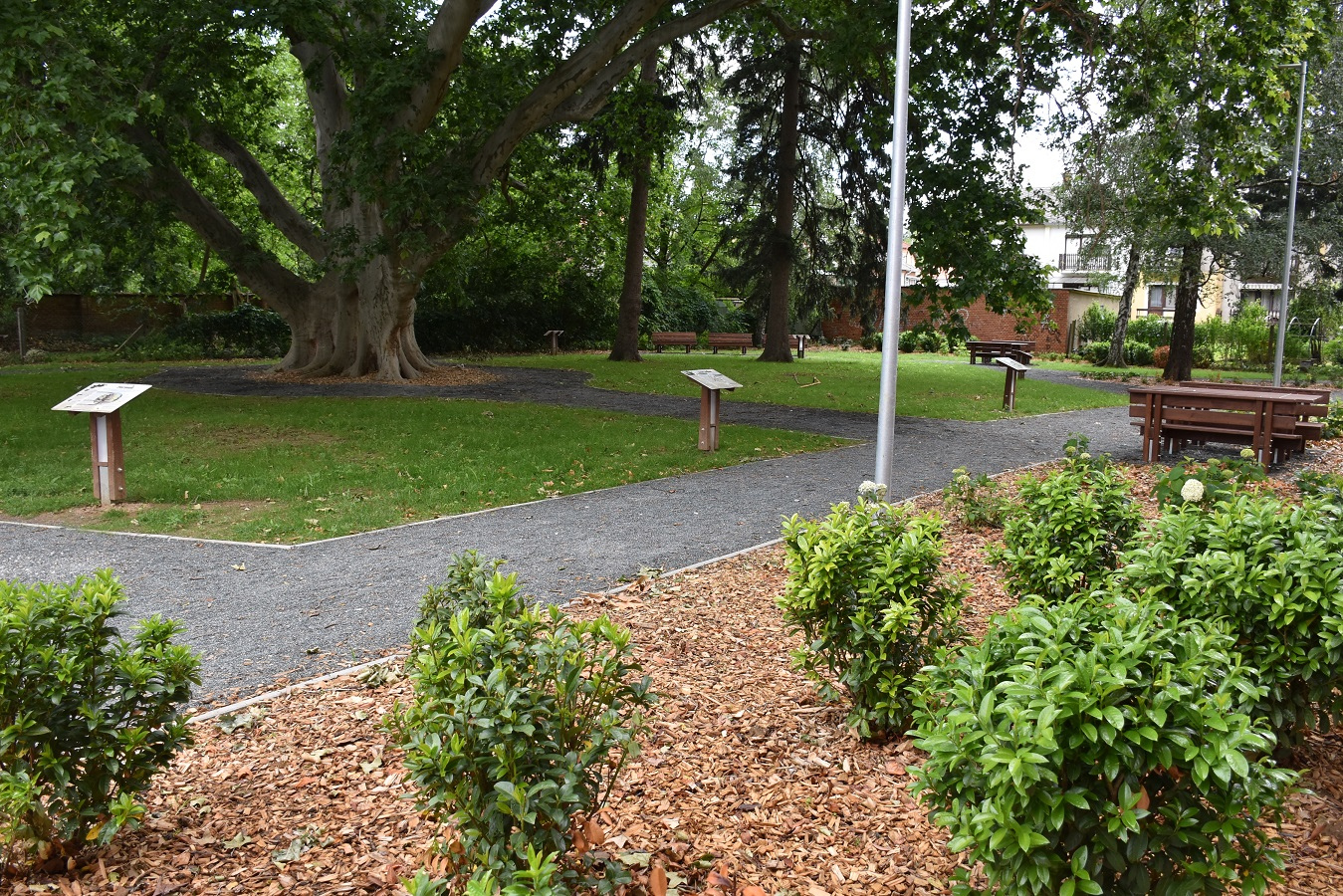
The surrounding area was also improved with new bicycle racks and parking spaces, while a raised pedestrian crossing towards the Main Square helps make crossing the road safer. New green spaces were created as part of the project, with trees and shrubs planted and new benches installed. Around the locally protected giant plane tree, a new park and promenade were also developed.
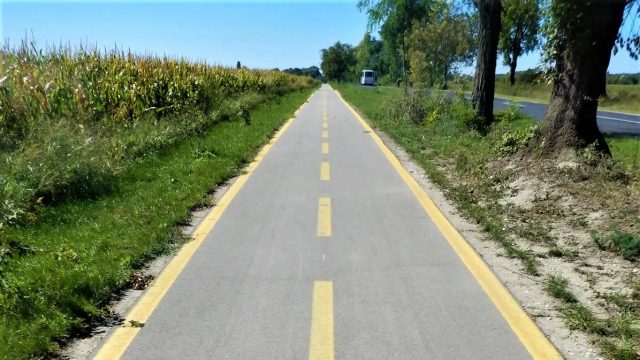
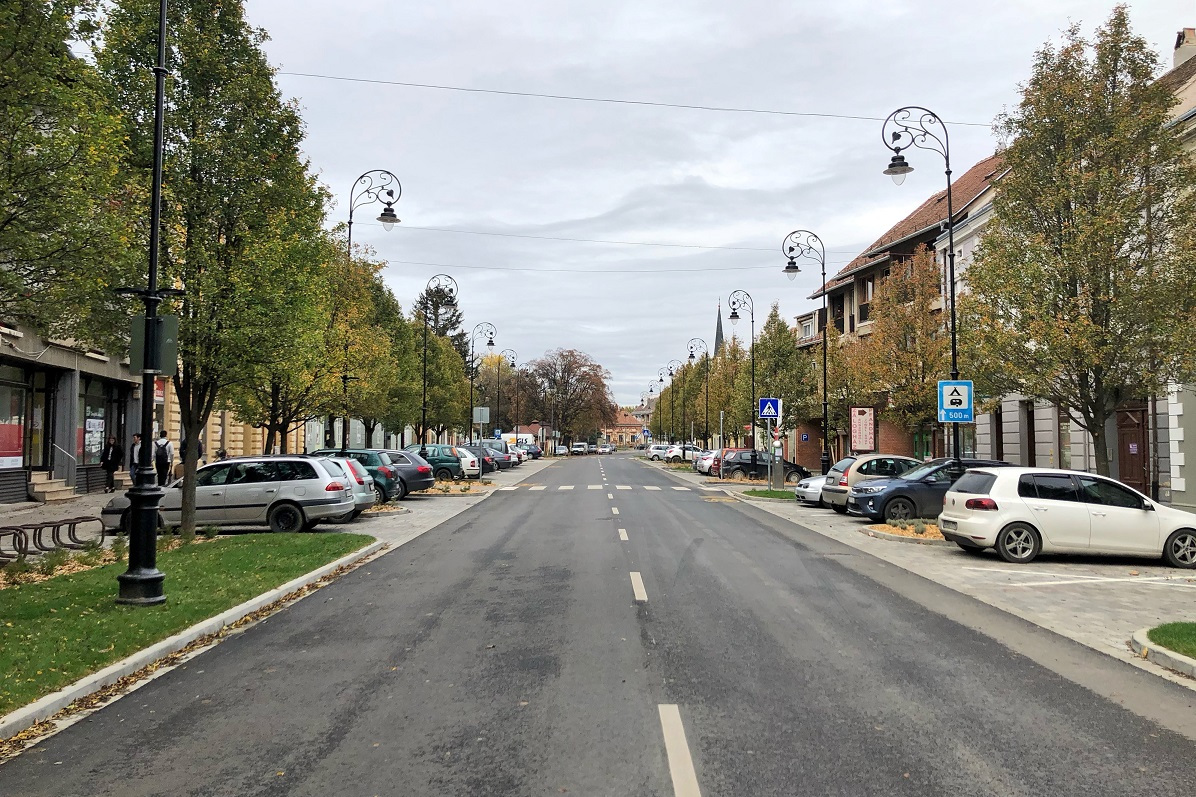
The improvements extended beyond the Városmajor area. Along the section of Várkör between the Main Square and Kiss János Street, green spaces, the roadway, parking areas and pavements were renewed. Public lighting was adapted to the new layout, parking was reorganised, and safer, more suitable surfaces were created for pedestrians. The changes were designed to slow traffic, improve conditions for walking and cycling, and create a greener urban environment.
Environmental considerations can also be seen in the smaller details. As part of the resurfacing works, the rainwater drainage system was upgraded, allowing water falling on the area to be reused for irrigating green spaces. Climate-resilient trees, shrub beds and new planted areas help reduce summer heat, while energy-efficient street lighting supports safer movement after dark. Accessibility was also taken into account in the design of the renewed public spaces.
Physical improvements were complemented by community programmes. Markets showcasing local products were organised, educational material was prepared for a nature trail linked to the giant plane tree, and community flower-planting events and a cooking competition were also held. In this way, the project created new opportunities not only to renew the urban environment, but also to support local producers, strengthen community life and showcase the values of Kőszeg.
Kőszeg’s centuries-old heritage continues to shape the character of the town, while recent improvements bring new energy to everyday life. Together, they connect past and present in a place that remains an important part of Hungary’s historical memory.
The development was implemented from EU funding in the project TOP-2.1.2-15-VS1-2016-00006 under the Territorial and Settlement Development Operational Programme.
Find out more about the project in the Project Finder:Details