

Nobody enjoys waiting for a medical appointment, especially when they’re worried about their health. And when getting the right examination means travelling to another town or spending extra time in hospital, the experience can become even more stressful. For thousands of people living in and around Pápa, a recent EU-funded investment is helping make specialist healthcare more efficient, accessible and convenient.
The Gróf Esterházy Hospital and Outpatient Specialist Centre in Pápa handles around 210,000 patient cases each year and serves nearly 60,000 people across the surrounding area. With so many patients depending on its services, reliable, up-to-date medical equipment plays a vital role in everyday care.
Although the hospital’s buildings and facilities had undergone several upgrades over the years, much of the equipment used in its outpatient departments was between 15 and 20 years old. These ageing devices made examinations more time-consuming, increased the risk of breakdowns and sometimes meant that patients had to be admitted or referred for inpatient care, even for conditions that could have been treated in an outpatient setting with the right equipment.
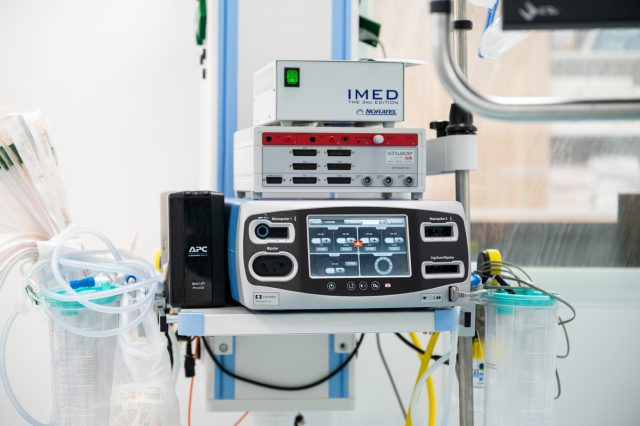
Thanks to European Union funding, the hospital has now received 57 new medical devices across eight specialist areas. The new equipment helps doctors carry out more accurate examinations, reach diagnoses sooner and treat more patients within the same amount of time.
For people living in smaller towns and villages around Pápa, these improvements are particularly valuable. With an ageing population across the region, being able to access specialist care close to home can make a significant difference, especially for elderly patients and those who find travelling difficult.
And the benefits don’t stop there. More advanced diagnostic tools can help doctors identify health problems earlier, allowing treatment to begin sooner and potentially reducing the risk of complications. The upgraded equipment also helps ease pressure on the hospital’s inpatient departments, as more conditions can now be managed through outpatient services without the need for hospital admission.
For patients, the improvements could mean less time spent waiting, fewer examinations disrupted by equipment failures and a quicker route from diagnosis to treatment. Above all, they mean greater access to the medical care people need, right where they live.
The development was implemented from EU funding in the project EFOP-2.2.19-17-2017-00051 under the Human Resource Development Operational Programme.
Find out more about the project in the Project Finder:Details