
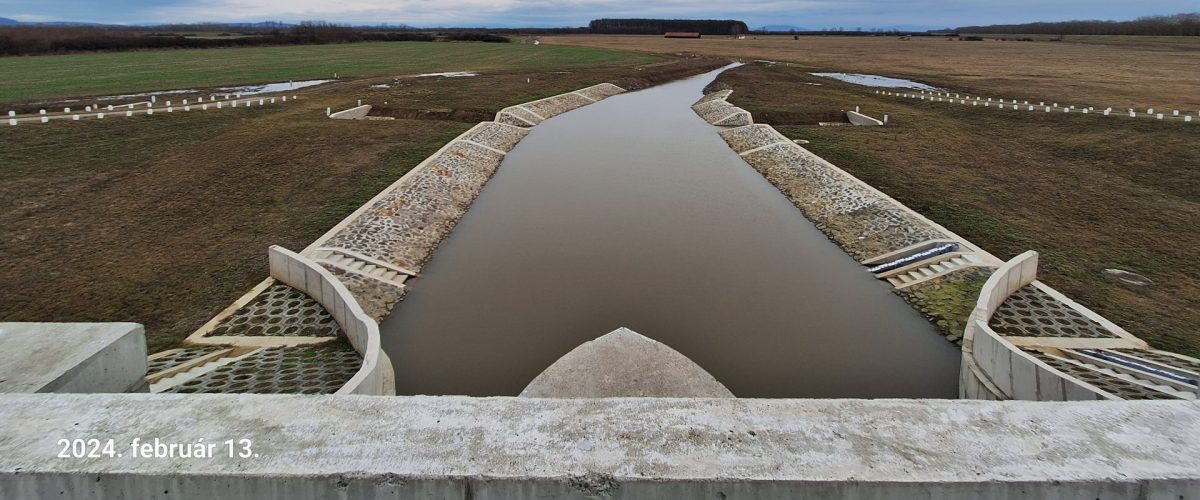
For centuries, the Tisza River has shaped life on Hungary’s Great Plain—but it has also brought recurring flood risks. Major floods in recent decades have made it clear that traditional defenses alone are no longer enough. The Tisza–Túr flood reservoir, built with European Union support, offers a modern solution.
Developed as part of the Vásárhelyi Plan, the project aims to provide long-term protection for communities along the river. Its core function is simple but effective: when water levels rise dangerously, excess water is diverted into the reservoir through a controlled system. This reduces pressure on the river and lowers flood peaks. Once the situation stabilizes, the water is gradually released back.
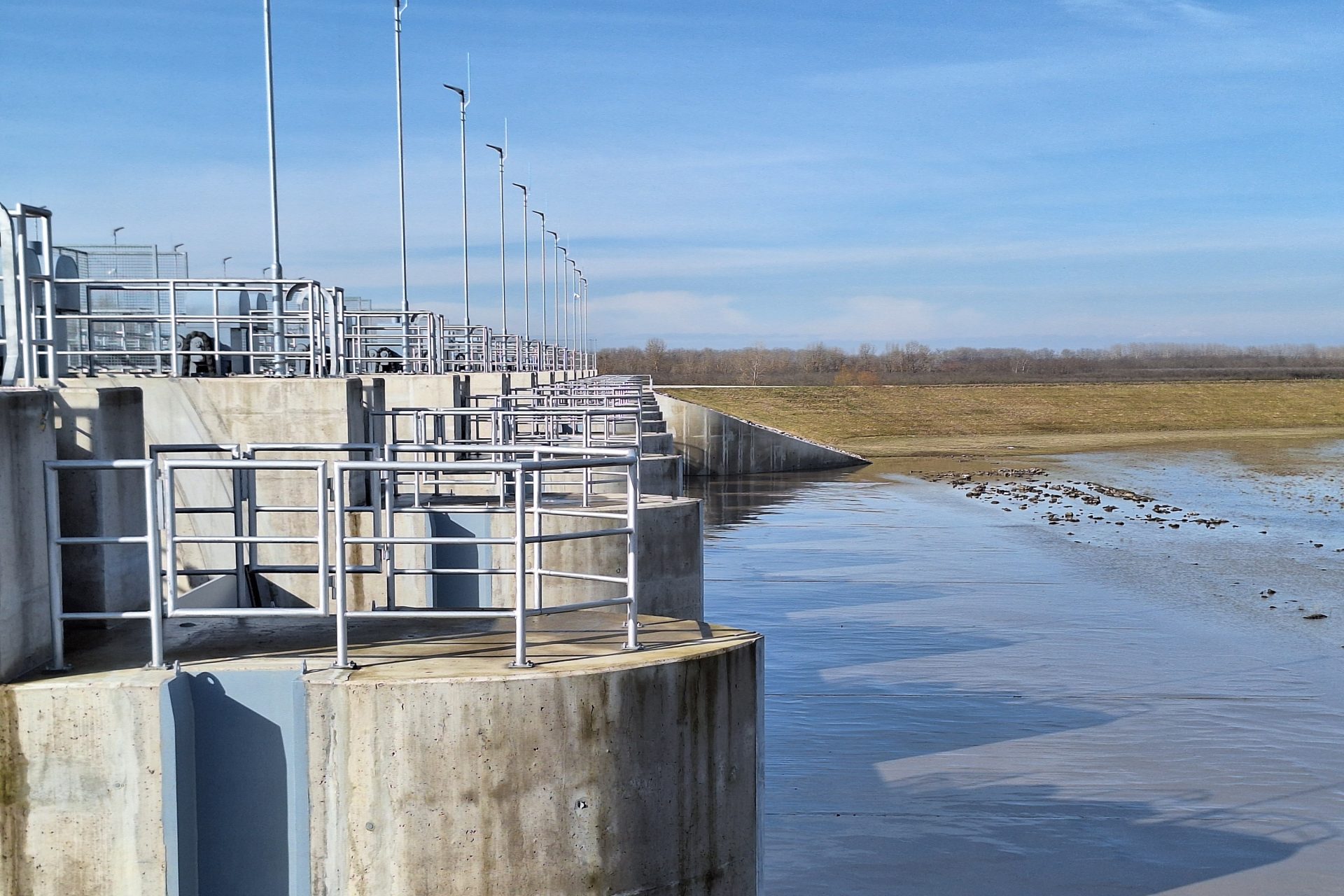
As climate change brings more intense rainfall and faster, larger flood waves, the reservoir acts as a crucial safety buffer. The project also strengthened levees, introduced modern water control structures, and installed advanced monitoring systems. Its large capacity allows it to manage significant volumes of water, offering reliable protection in critical moments.
Beyond flood control, the reservoir supports smarter water management—especially valuable during droughts. It also helps preserve natural habitats and opens up opportunities for local development, including tourism and economic growth.
For people living along the Tisza, the benefits are clear: lower flood risk, safer homes, and a more predictable future. In the long run, the Tisza–Túr reservoir helps maintain a better balance between people and nature.
The development was implemented from EU funding in the project KEHOP-1.4.0-15-2016-00011 under the Environmental and Energy Efficiency Operational Programme.
Find out more about the project in the Project Finder: Details