
The Honvéd Hospital has been providing medical care continuously since the end of the 18th century. Alongside its military medical duties, it has always played a role in civilian healthcare as well, with an ever-growing volume of services, serving an increasingly large region, developing greater professional expertise and, in certain fields, providing nationwide care. Yet alongside this vast intellectual legacy, the institution’s infrastructural heritage placed an increasing burden on its operation: many of its buildings had become outdated, especially in terms of energy performance.
It is also a simple truth that effective healing requires more than modern equipment and outstanding medical expertise. It also requires the right environment. In winter, when cold air slipped through the old doors and windows, patients’ feet could easily become cold, doctors’ hands would stiffen during examinations, and moisture in the air would condense on windows and walls. Maintaining a pleasant temperature throughout the buildings required a great deal of energy, and even then it was not possible to create an equally comfortable climate in every room. Some corridors became overheated, while elsewhere the air remained cool. In summer, the same buildings were prone to overheating. Air conditioning tried to address the problem, but it also consumed significant amounts of energy; moreover, where cold air blew directly into the room, patients often caught a chill. A building that cools down more slowly and does not let summer heat in so easily is far more beneficial.
This was the situation addressed by a major energy modernisation project carried out at several sites of the Medical Centre of the Hungarian Defence Forces. It would be hard to single out just one of the objectives, as they were all equally important: making institutional operations more sustainable, improving working conditions for healthcare staff, and increasing patient comfort.
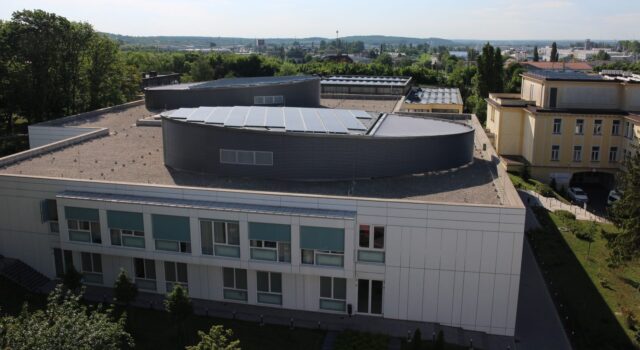
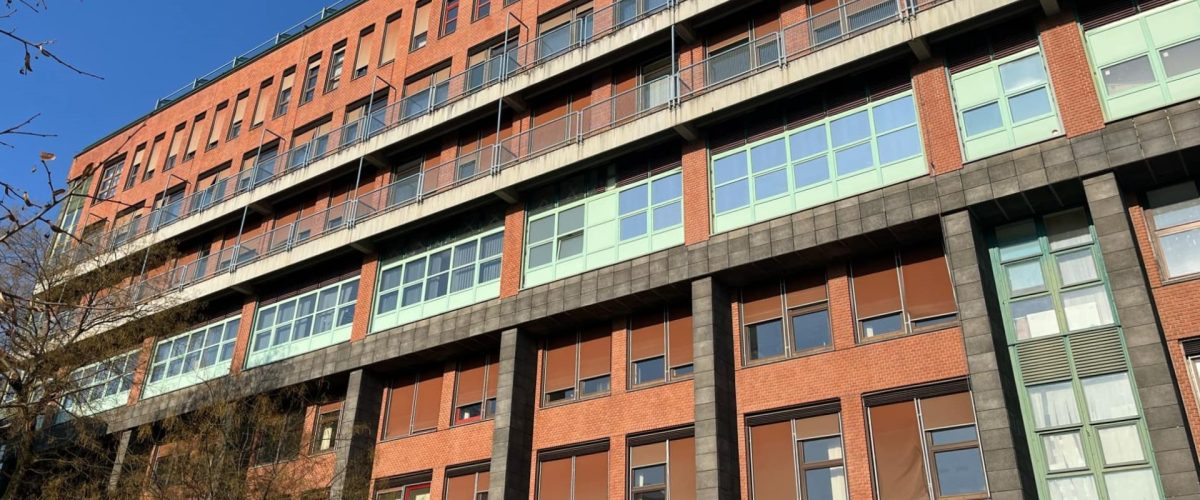
The EU-funded development modernised buildings at three healthcare sites in Budapest and one in Balatonfüred, with the aim of ensuring more sustainable long-term operation. Among the buildings concerned were some very old facilities that had long failed to meet current energy-efficiency expectations.
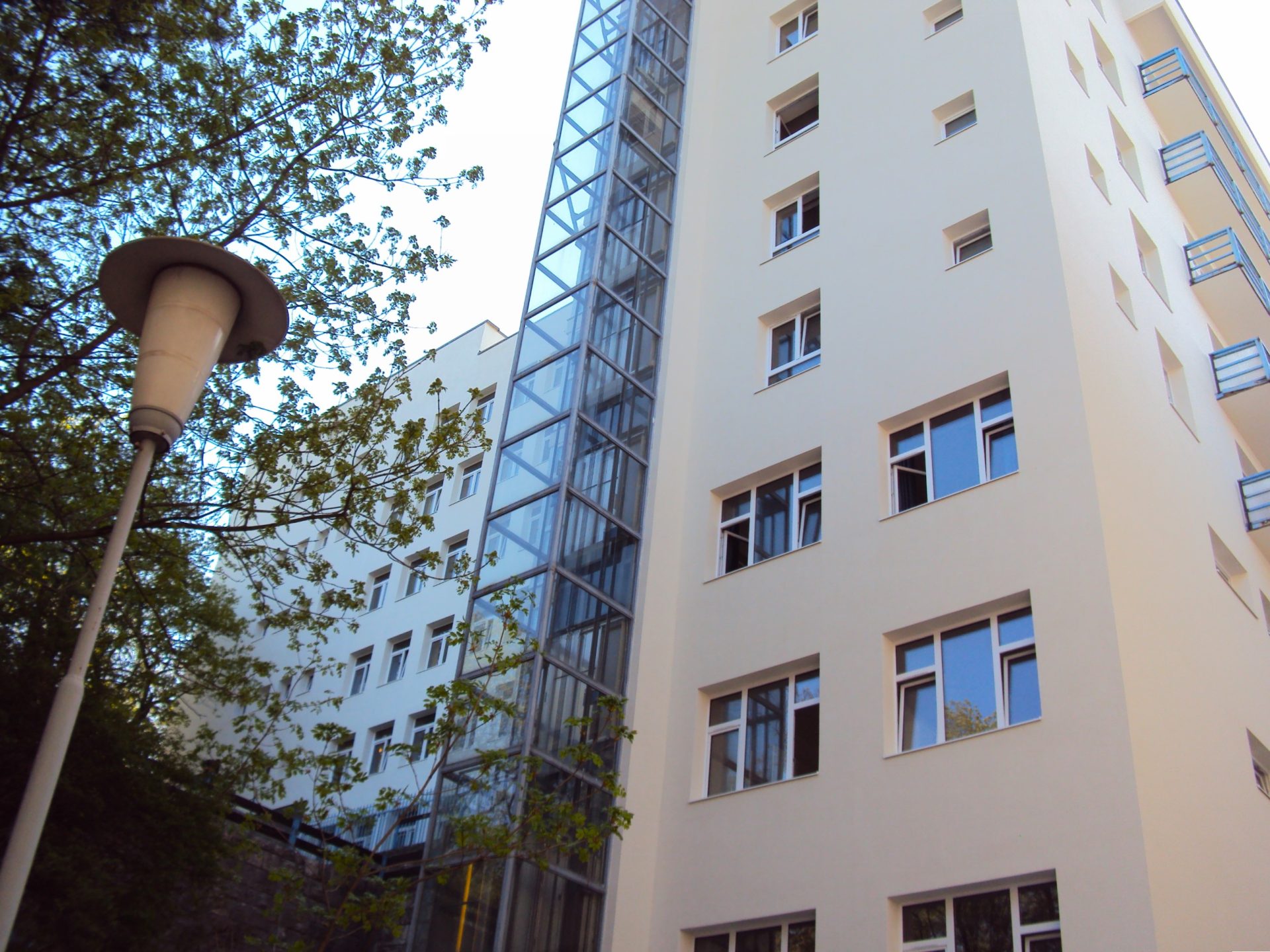
As part of the investment, modern doors and windows were installed, and façades and roof structures were fitted with additional thermal insulation. Solar panel systems were also installed at two sites, helping to cover part of the institutions’ energy needs. The energy performance of the buildings improved significantly: heat loss was reduced, indoor temperatures became more stable, and the load on heating and cooling systems decreased. Thanks to the more modern building envelope, draughty, cold zones are less likely to form, while in summer the rooms heat up more slowly.
A calmer, more balanced indoor climate helps patients feel that their environment is safer and more liveable, while staff can carry out their duties in more predictable and less stressful working conditions. Energy efficiency anywhere in the world is primarily a matter of economic rationality, but in healthcare infrastructure it is also a fundamental element of quality care. This investment served the cause of healing, environmental objectives, and sustainability and cost-efficiency considerations all at once.
The development was implemented from EU funding in the project KEHOP-5.2.1-15-2015-00005 under the Environmental and Energy Efficiency Operational Programme.
Find out more about the project in the Project Finder:Details