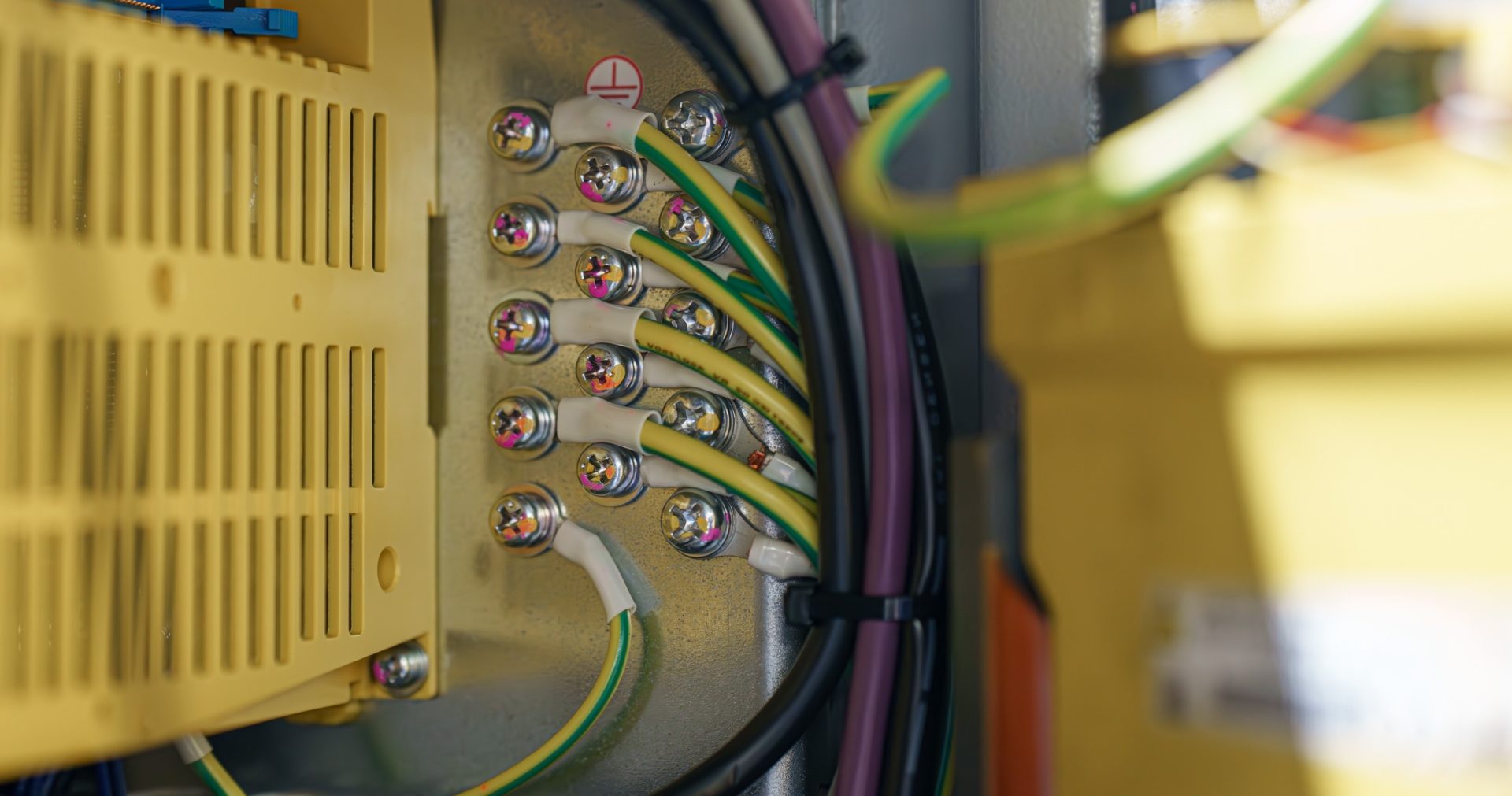


Digital tools that support modern education can consume a considerable amount of electricity, and their everyday use places increasing demands on school electrical networks. To ensure smooth and reliable operation, the electrical systems were modernised in ten buildings belonging to six institutions of Berettyóújfalui Tankerületi Központ.
The development covered the Petőfi utca building and two buildings on Templom utca of Furtai Bessenyei György Primary School, as well as the Erzsébet utca site and two locations on Kossuth utca of Jókai Mór Primary School in Sárrétudvari. The electrical networks of the buildings of Kálvin Téri Primary School in Püspökladány and the Hencida site of Irinyi Károly Primary School were also modernised. The investment also included the renovation of the Fő utca 96 site of Barsi Dénes Primary School in Komádi and the Kossuth utca site of Csökmői Bocskai István Primary School and Basic Art School.
In some of the institutions, no major upgrades had been made to the electrical network for nearly forty years. Systems originally designed for much lower levels of consumption gradually had to support an increasing number of computers, digital devices and other electrical equipment. Modernisation was therefore essential to ensure that the schools’ technical infrastructure could meet the demands of present-day education.
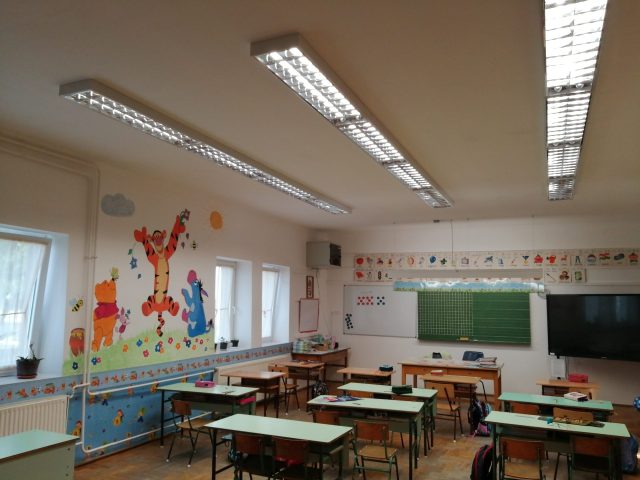
As part of the works, the high-voltage electrical systems of the buildings were renovated. Distribution boards, cable routes and protective conduits were upgraded, while new wiring, light fittings, switches and power sockets were installed. The electrical connection capacity of the buildings was also reviewed, existing meter cabinets were brought up to current standards, and wall surfaces affected by the works were repaired and repainted.
Accessibility was also taken into account during implementation. The design and positioning of switches and power sockets were planned to make them easier to access for people with disabilities.
As a result of the modernisation, the electrical networks of the schools concerned now operate more safely and reliably. The development provides the necessary infrastructure for everyday lighting and the use of IT and digital equipment, helping to ensure the smooth running of teaching and learning activities.
The development was implemented from EU funding in the project EFOP-4.1.12-22-2023-00046 under the Human Resource Development Operational Programme.
Find out more about the project in the Project Finder:Details