
The rose is often called the queen of flowers, and with good reason. We give roses for birthdays and anniversaries, and as a symbol of love, yet we rarely stop to think that the rose is far more than an ornamental plant. For centuries, its beneficial properties have also been widely recognised. Rose essential oils, extracts and rose water have long been used in traditional remedies, perfumery and skincare, while some varieties are even suitable for culinary use. This remarkable versatility inspired the creation of Rózsavilág, a unique world built around roses, as well as an initiative that has created employment opportunities for local women.
The idea was developed in response to a very real challenge facing rural communities. In many smaller settlements, the problem is not a lack of motivation or skills, but a shortage of local job opportunities that can also be adapted to family life. The Vidéki Nőkért Termelő és Szolgáltató Szociális Szövetkezet (Rural Women’s Production and Service Social Cooperative) was established in 2017 with the aim of increasing the value and recognition of rural women’s lifestyles while creating employment opportunities in the region.
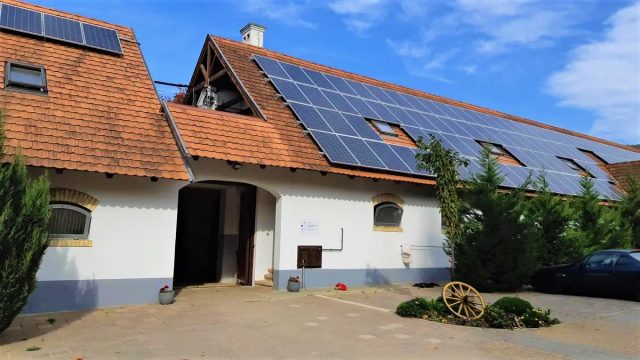
Following a successful funding application, the cooperative used EU support to combine its social goals with local economic activity. The starting point was simple: build on what was already available locally. Using ingredients sourced from the surrounding area, traditional handcrafting methods and the involvement of local people, they began creating marketable products. At the cooperative’s sites in Bér and Vanyarc, activities focused on processing locally available medicinal plants and developing a new product range.
As part of the project, six disadvantaged employees were given work with the support of three professional supervisors. Drying equipment was also purchased, while employees gained the knowledge and practical skills needed for their work. The initiative also aimed to help reduce unemployment and outward migration while strengthening the local community.
Over time, one local ingredient emerged as the most exciting of them all: the rose.
With its countless varieties and colours, the rose has been part of human culture for thousands of years. In ancient Greek mythology, it was associated with Aphrodite, while in Roman times it was a popular flower at celebrations and banquets. Numerous stories link Cleopatra to roses and the fragrance of rose petals. Centuries later, Empress Joséphine, wife of Napoleon Bonaparte, became one of the flower’s most famous patrons. At Château de Malmaison in France, she created an extraordinary rose collection, and her passion helped give new momentum to the cultivation, collection and breeding of roses across Europe.
Over the centuries, roses came to be valued for far more than their beauty and symbolism. Rose water, rose honey and a wide variety of scented products were made from the flowers, which were also recognised as medicinal plants. Today, rose essential oils and extracts remain popular ingredients in perfumes and cosmetics, while rose water is a familiar component of skincare products. The rose has therefore become an enduring symbol of beauty and elegance.
Once admired mainly in royal courts and grand estates, the rose now belongs to everyone.
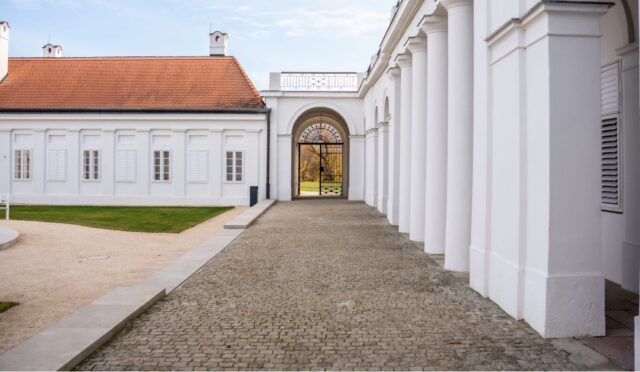
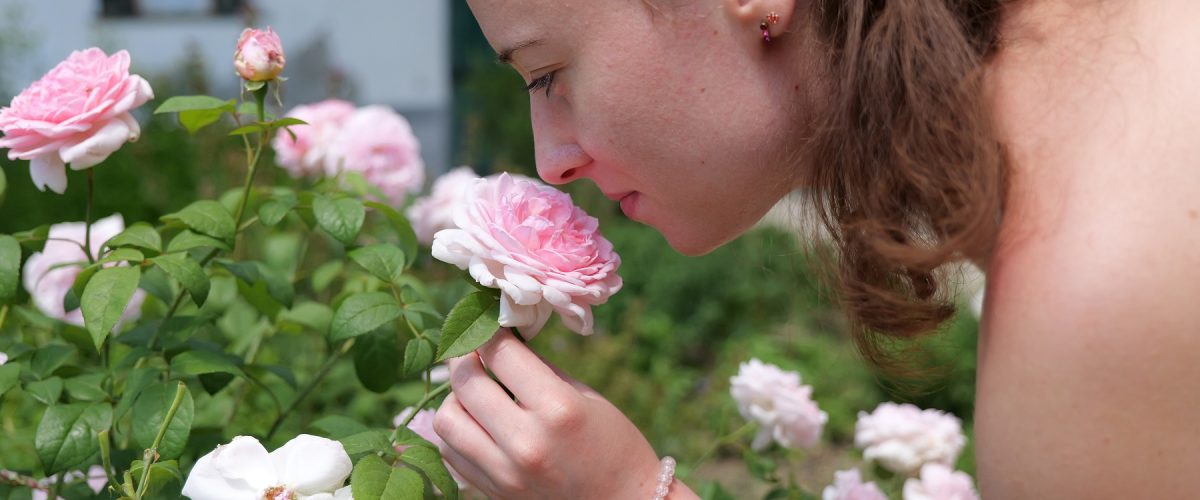
Hungary’s first “rose experience centre”, Rózsavilág, opened in Alsópetény. Here, visitors can discover the plant through almost all of their senses. They can admire the flowers, explore their different fragrances and even taste rose-based specialities. Alongside the rose garden, visitors can also discover a surprising range of gastronomic and wellness products, demonstrating just how versatile this remarkable plant can be.
The range includes a rose coffee balm made with rose petals, hibiscus, rosehip, caramelised sugar and spices. Other products include rose jam, rose macerate, or rose oil, and rose mist. The wellness range even features pillows filled with rose petals and spelt husks. During the experience programmes, visitors can learn more about the cultural history of roses, their cultivation and the many different ways in which they can be used.
In 2025, Rózsavilág received the Rural Socially Responsible Enterprise of the Year award. By bringing together the rose garden, rose-based products and employment opportunities for local women, the initiative demonstrates how local values and the strength of a community can provide the foundations for sustainable, long-term development.
The development was implemented from EU funding in the project GINOP-5.1.7-17-2020-00465 under the Economic Development and Innovation Operational Programme Plus.
Find out more about the project in the Project Finder:Details