In any outpatient clinic, it is essential to have a sufficient number of well-trained medical professionals, modern medical and diagnostic equipment, and efficiently organized care processes. Equally important, however, is the condition, functionality, and usability of the building itself, and how well it meets the needs of the many patients who visit it. Accessibility, cleanliness, safety, energy efficiency, and overall comfort all contribute to ensuring that patients, doctors, and healthcare staff can focus entirely on treatment and recovery.
If people must visit a doctor, the environment should be pleasant as well as professional. This approach guided the EU-funded investment that aimed to modernize outpatient services at the Orosháza Hospital. The hospital operates in a region considered among the country’s less developed areas, where development projects in the previous decade focused mainly on inpatient care. As a result, the modernization of outpatient specialist services had long been a much-needed and important opportunity for the institution.
The project focused on two main areas: infrastructure improvements and the procurement of medical equipment. One of the most important elements of the construction work was improving accessibility. Existing ramps were repaired, handrails were upgraded, and slip-resistant surfaces were installed at the busiest entrances and circulation areas. Particular attention was given to the main entrance and the area in front of the pharmacy, where hundreds of patients pass through every day.
During the modernization, the former heavy steel entrance doors were replaced with automatic, sensor-operated doors, making entry into the building significantly easier. The building’s lobby, patient reception area, and the ground floor section of the staircase were also renovated. The worn PVC flooring in these high-traffic areas was replaced with new flooring that includes guiding strips to assist visually impaired visitors. The affected rooms were freshly painted, creating a cleaner, more welcoming atmosphere.
The rehabilitation unit was also upgraded through architectural, mechanical, and electrical improvements. The ground-floor patient restrooms were completely renovated, and the route leading from the building to the pharmacy was redesigned to make it easier and safer to access. Following consultations with regulatory authorities, the building’s heat and smoke extraction system was also upgraded, further improving safety.
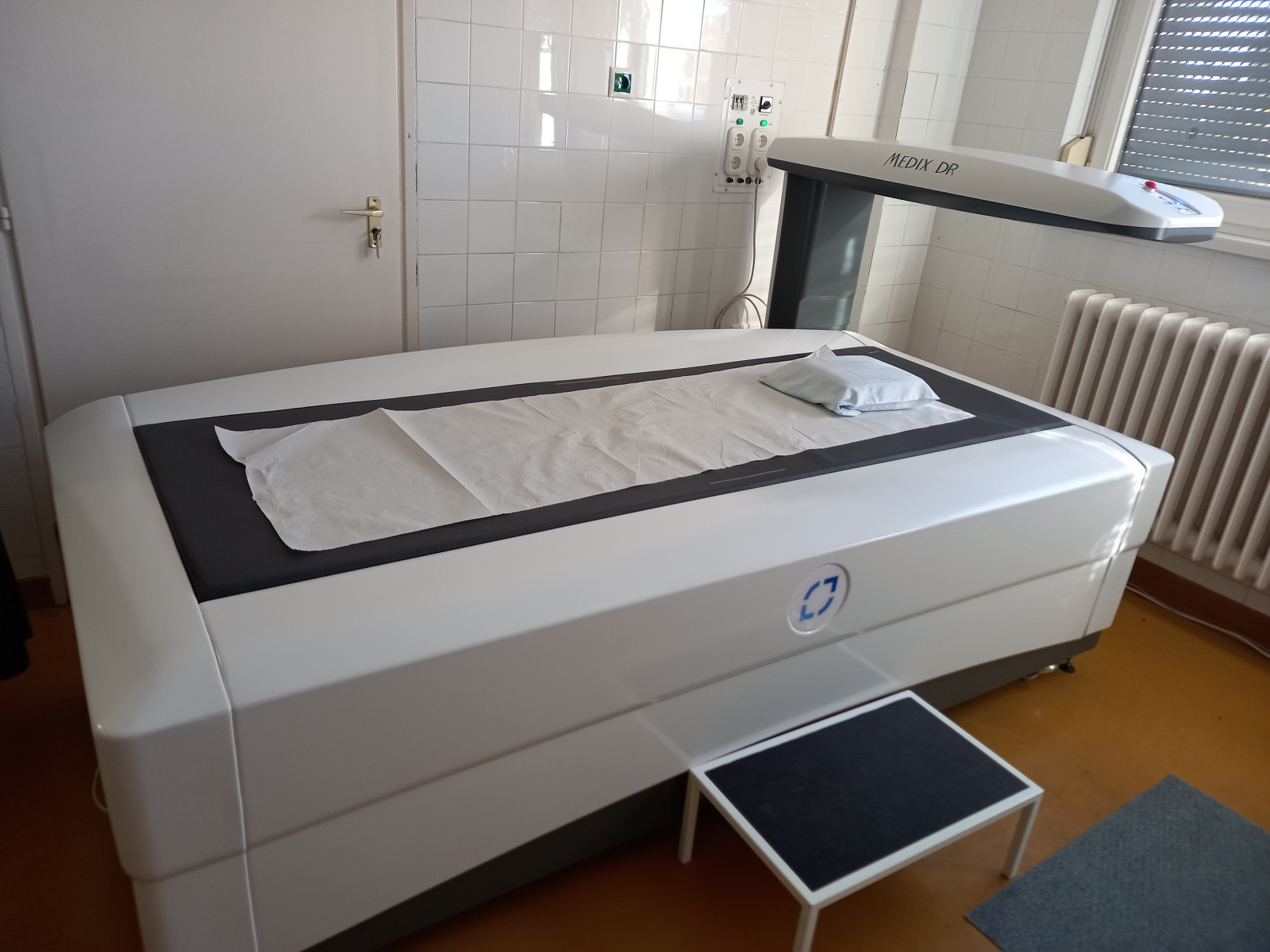
Another key pillar of the project was the extensive purchase of new medical equipment. Approximately HUF 210 million was invested in modern medical devices for seventeen medical specialties. The new equipment supports the work of departments including audiology, internal medicine, dermatology, cardiology, gastroenterology, gynecology, ophthalmology, surgery, urology, pediatrics, traumatology, physiotherapy, and several others.
These new instruments enable more accurate diagnostics and more advanced treatments, while also improving the effectiveness of screening programs. They help ensure that an increasing number of examinations and treatments can be carried out within outpatient care—more quickly and with fewer hospital stays.
Targeted development of community-based healthcare providers helps reduce regional disparities and improves the overall efficiency of the healthcare system. As a result of the Orosháza project, both the infrastructure and the medical equipment of outpatient care have significantly improved, providing a calmer and more dignified environment for doctors and patients alike.