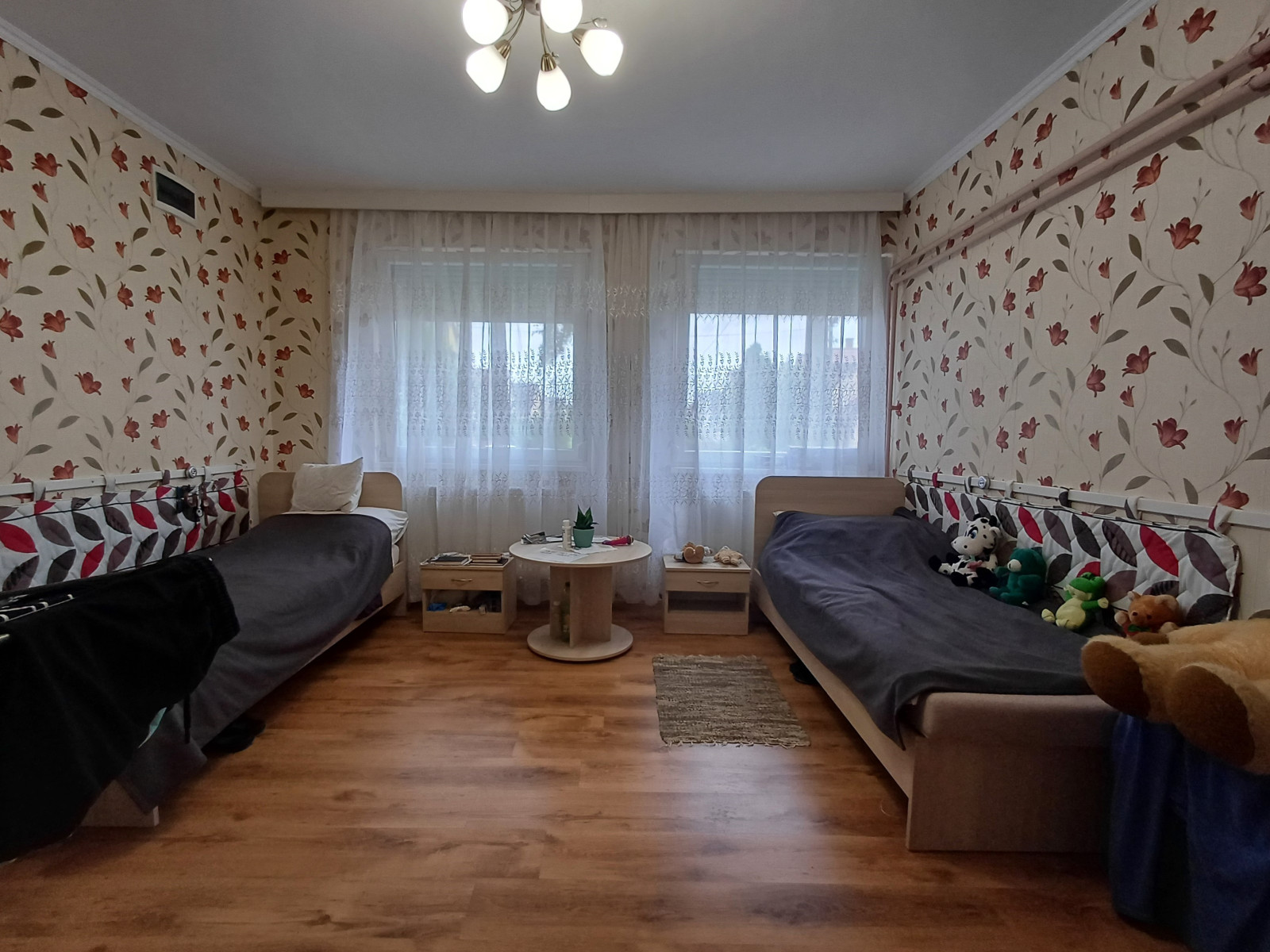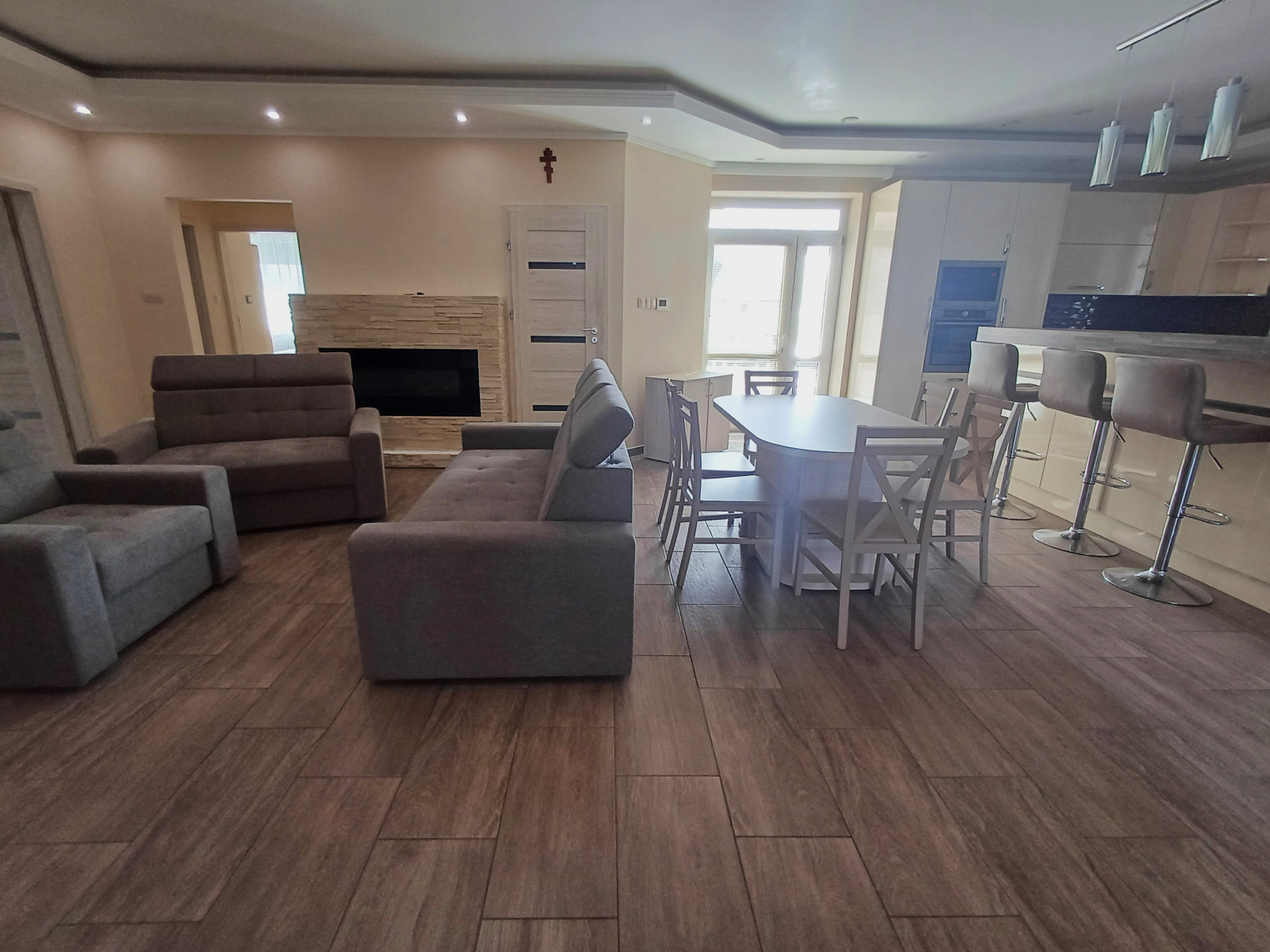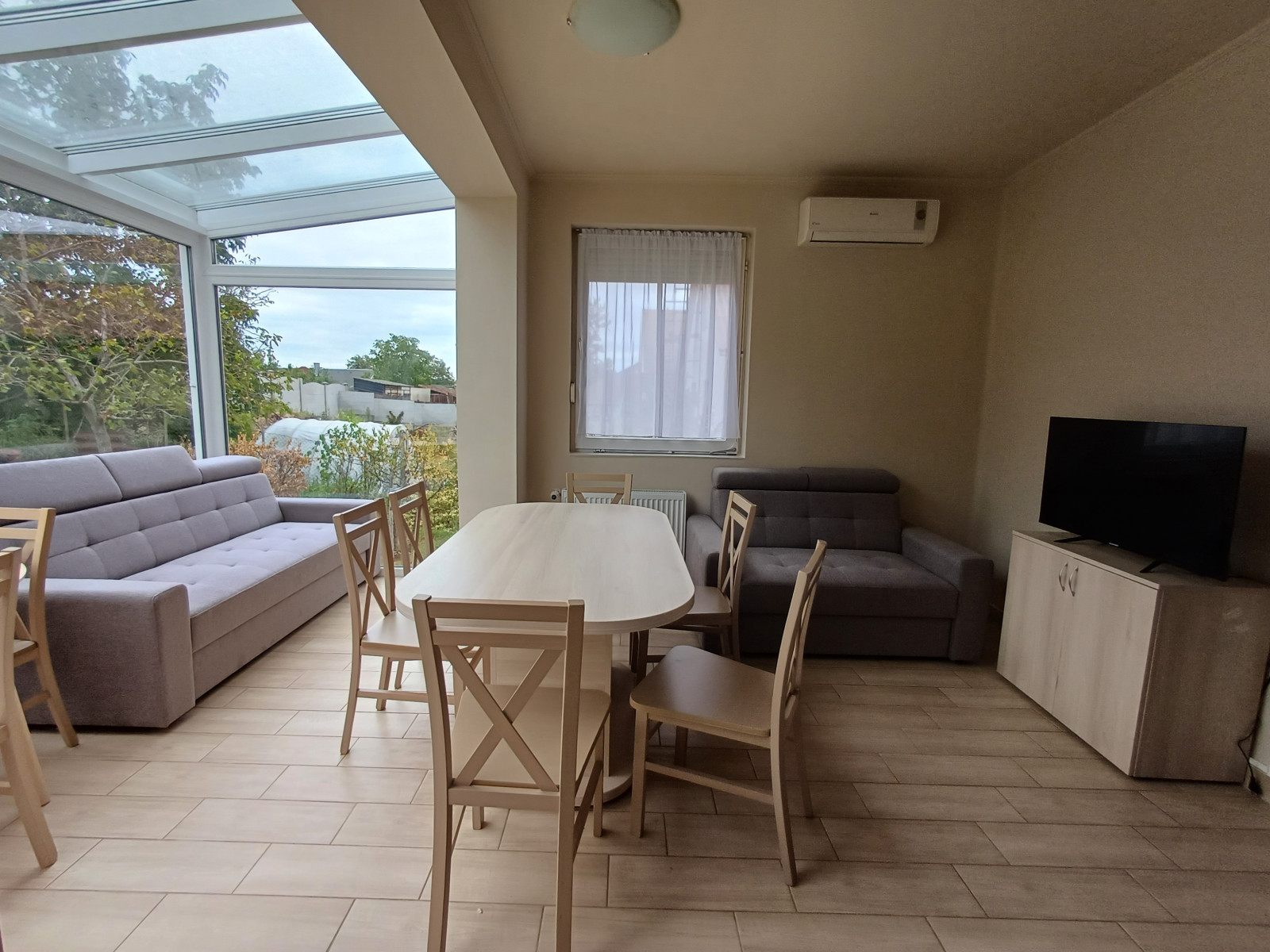

For most of us, the first time we unlocked the door to our own home is a memory that stays with us for life. The click of the lock seemed to mark the beginning of a new chapter. For someone moving from a large residential institution into a small family home, the feeling can be very similar. Having their own bed, wardrobe and private space, while also sharing dinners in the living room and conversations in the garden, can make everyday life feel more personal, safe and human. At the level of the individual, this is a major and positive change. At the level of the care system, it reflects a fundamental shift in approach: large institutions are being replaced by more person-centred forms of supported housing.
The Saint Luke Greek Catholic Charity Service has transformed part of its care system in Debrecen with the help of European Union funding. The aim of the project was to modernise care for people with disabilities. Instead of living in large residential institutions, residents were supported to move into smaller homes, helping them live more independently and become more fully included in society.
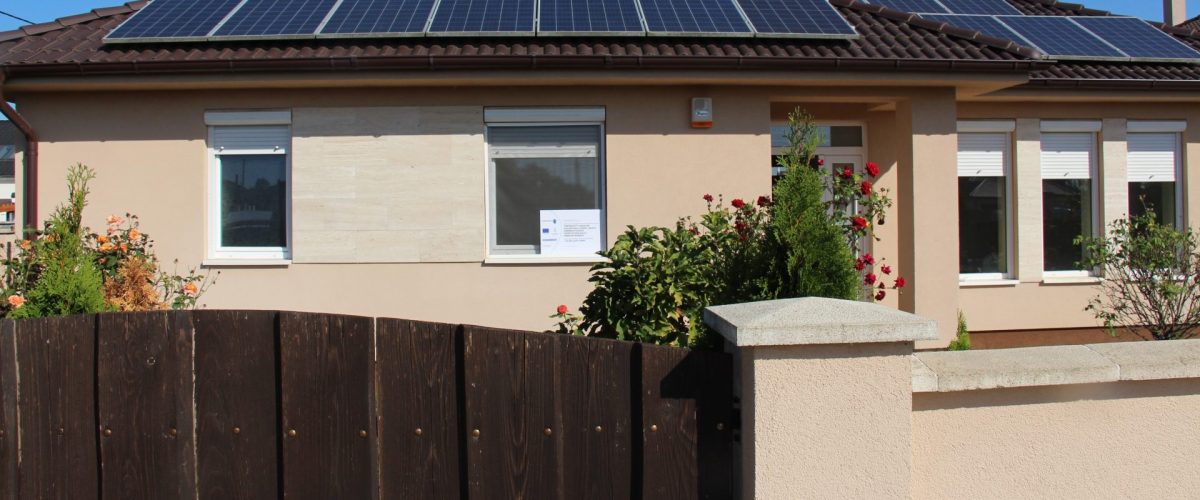
At the centre of the development was the partial replacement of the 110-place Saint Matrona Greek Catholic Nursing and Care Home. The Charity Service purchased eight properties in different parts of the city, mostly family houses, creating a total of 60 new residential places.
This process is known as deinstitutionalisation. It is considered good practice and is in line with international recommendations. Decades of experience and research show that people with disabilities often have a better quality of life when they live in smaller communities and in a more family-like environment. It also helps the wider community relate to them in a more open and accepting way.
The purpose of supported housing is to help residents become more independent, strengthen their everyday life skills, improve their chances of employment, build relationships in the community and support their genuine social inclusion.
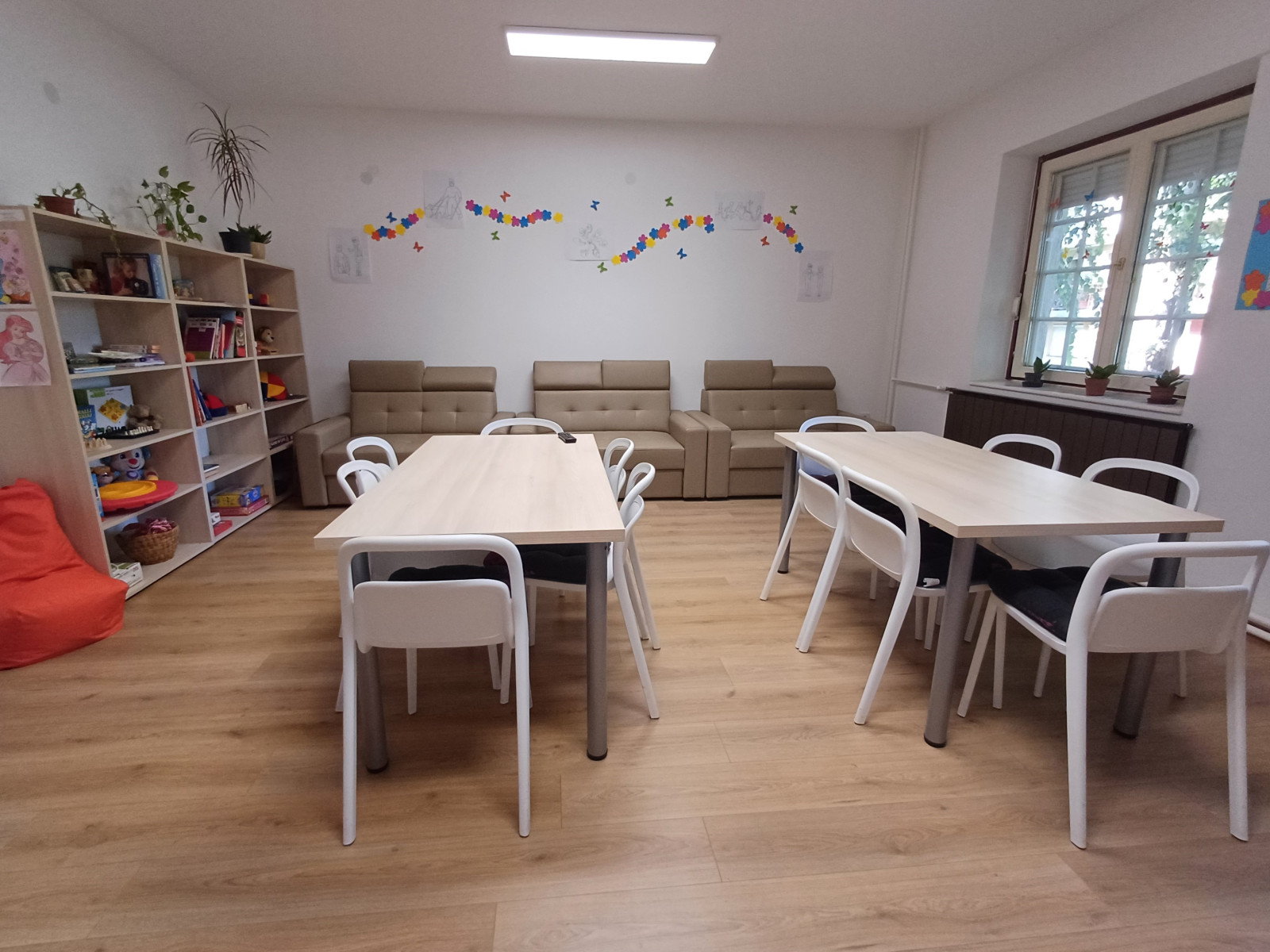
The project was not limited to housing. A day-care centre with 60 places was also created for children and adults with disabilities. The centre offers meaningful daily activities, skills development sessions, special education and pedagogical support, counselling, meals and supervision. Day care helps those affected take part in community life as actively as possible, according to their abilities. It also supports the development of skills needed for work and helps prevent isolation.
The Charity Service also operates a support service for people with disabilities living in the area. This includes personal assistance, transport and accompaniment. The service is not tied to one specific location. Instead, support is provided where people actually need it, including in their own homes, so that they can live their lives as independently as possible.
EU funding could be used to purchase the properties, furniture and equipment. The renovation of the buildings was financed by the Charity Service from its own resources. The new homes were also equipped with a modern safety alert system, allowing residents to contact support professionals at the touch of a button.
Another important part of the project was also supported by the European Union: the professionals working with the residents and service users received preparatory training and additional professional knowledge. This was especially important because supported housing requires a different approach from staff. Instead of providing traditional institutional care, they are present in residents’ everyday lives more as guides, advisers and partners who support independence.
The future residents also received help in preparing for their new lives. Group sessions introduced them to the everyday tasks of more independent living, the rules of living together and the opportunities offered by their new environment. The aim was to make the transition as natural as possible and to help residents feel more secure and confident.
Independence, the ability to make choices, the feeling of having a home of one’s own and personalised support are values that no institutional system can truly provide in the same way.
A country’s development is often measured by the construction of motorways, bridges or factories. These are important investments. But the real strength of a community is shown by how it treats those who need support. Without responsibility for one another, no society can remain healthy in the long term. That is why developments like this can bring about truly deep and lasting change.
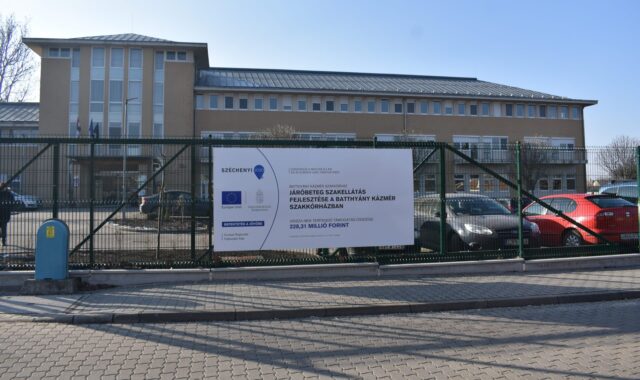
The development was implemented from EU funding in the project EFOP-2.2.25-22-2022-00024 under the Human Resource Development Operational Programme.
Find out more about the project in the Project Finder: Details