
Our news site regularly reports on EU co-funded projects that contribute to the development of Hungarian towns and cities through the Territorial and Settlement Development Operational Programme Plus, known as TSDOP Plus.
This time, we have selected projects linked to the Sustainable Urban Development Pillar.
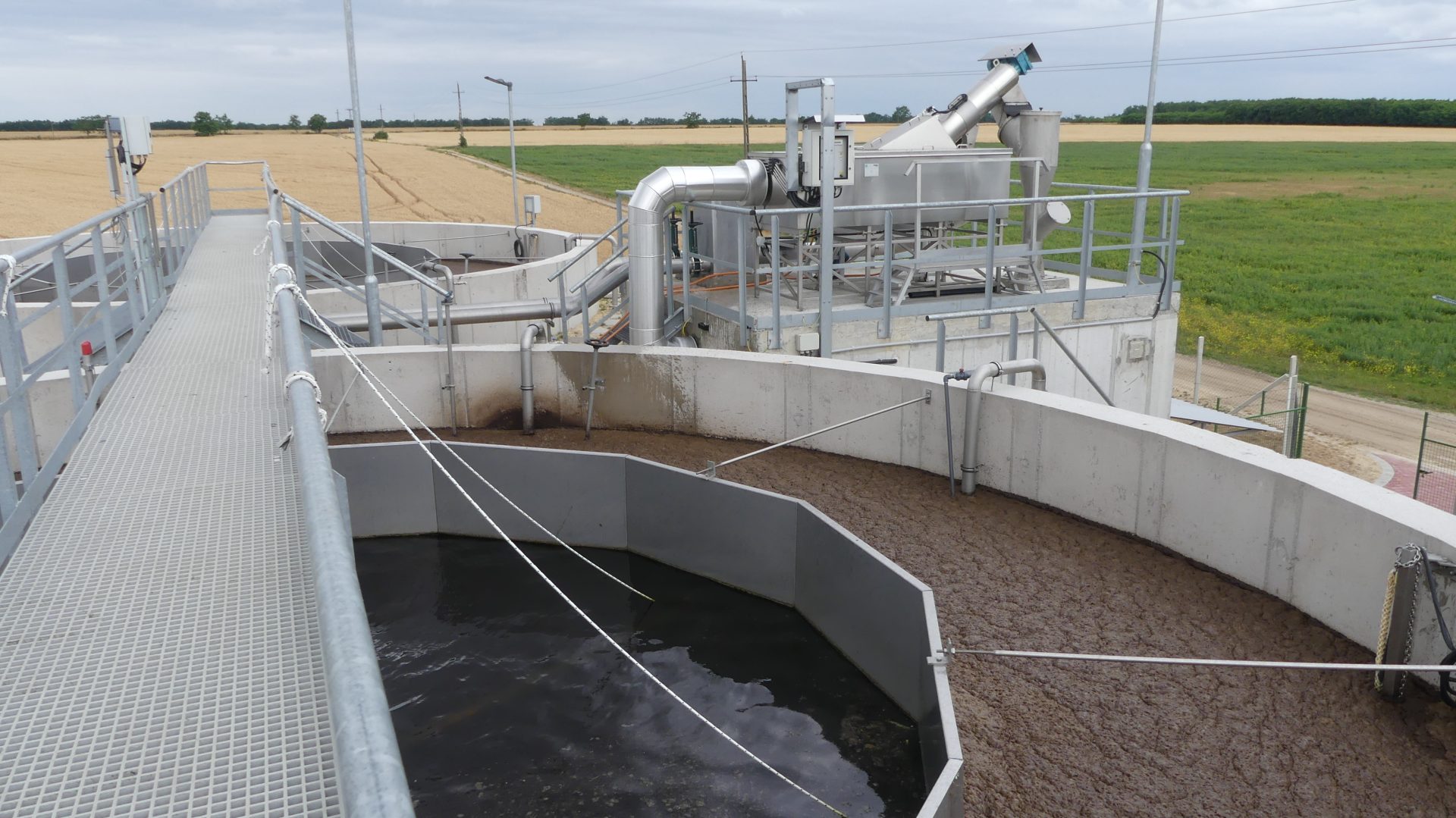
As climate change and extreme weather events become increasingly urgent challenges, water management has become a priority in several cities. In Baja, the local government received around HUF 80 million to prepare strategic plans, including an integrated water management plan. The document identifies key challenges in water supply, wastewater treatment and stormwater drainage, and sets out possible development directions. Planned measures include renovating ageing drinking water and sewer networks, reconstructing water wells, improving energy efficiency and modernising the wastewater treatment plant with the use of renewable energy. The plan will help prepare future investments.
Stormwater management and water retention are also central to developments in Békéscsaba. With HUF 800 million in TSDOP Plus funding, the city is improving its drainage systems to reduce damage caused by sudden heavy rainfall, while also helping to keep water locally. The project includes the construction of new drainage systems, the renovation of existing networks and the modernisation of a stormwater reservoir.
Sustainable urban development is not only about infrastructure. It is also about creating a more liveable urban environment. In Bonyhád, nearly HUF 455 million in funding will support four developments: improving stormwater drainage on Rákóczi Street, renovating the cycle path leading to Majos, building a bicycle pump track next to the Family Leisure Park and creating a new car park behind the Government Office. These investments aim to improve transport infrastructure and make public spaces more functional.
A socially important project is also starting in Eger, where the city has received more than HUF 180 million for complex programmes designed to improve quality of life in disadvantaged urban areas. The developments mainly focus on the Szala district, where community, educational and social programmes will support local residents. The project will include employment support services, learning and catch-up programmes, health screenings and continuous social work.
In Hódmezővásárhely, a HUF 150 million programme will focus on strengthening community life. The aim is to support local communities and create new opportunities for young people. Youth programmes will be launched, while the city’s cultural and community life will also be developed. The programmes will cover the entire administrative area of Hódmezővásárhely, including the city centre and several districts such as Tabán, Susán, Tarján, Újváros and Batida.
The common message of these developments is clear: Hungarian towns and cities are planning for the long term. They are improving infrastructure, strengthening communities and preparing for the challenges of the future at the same time.