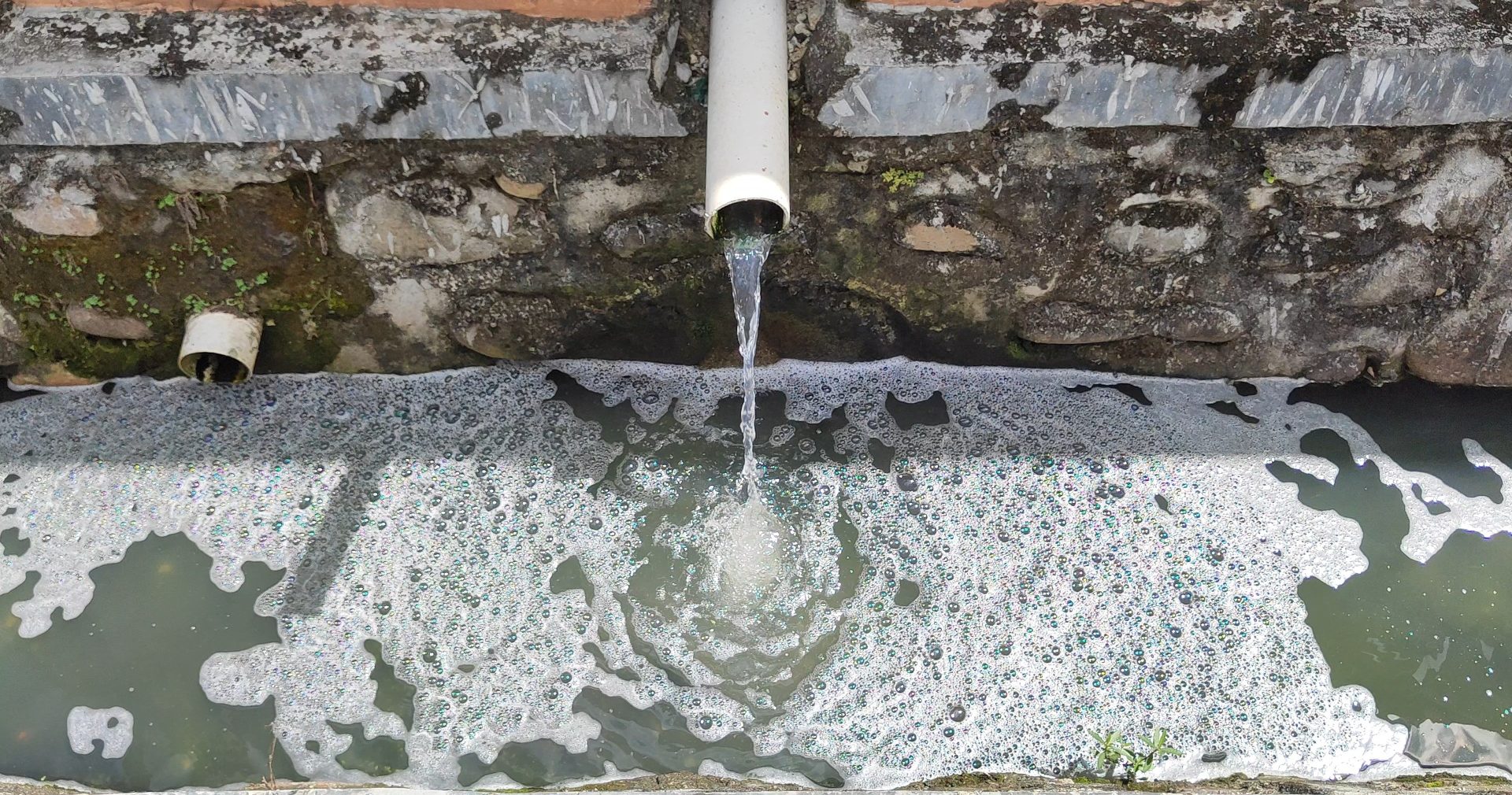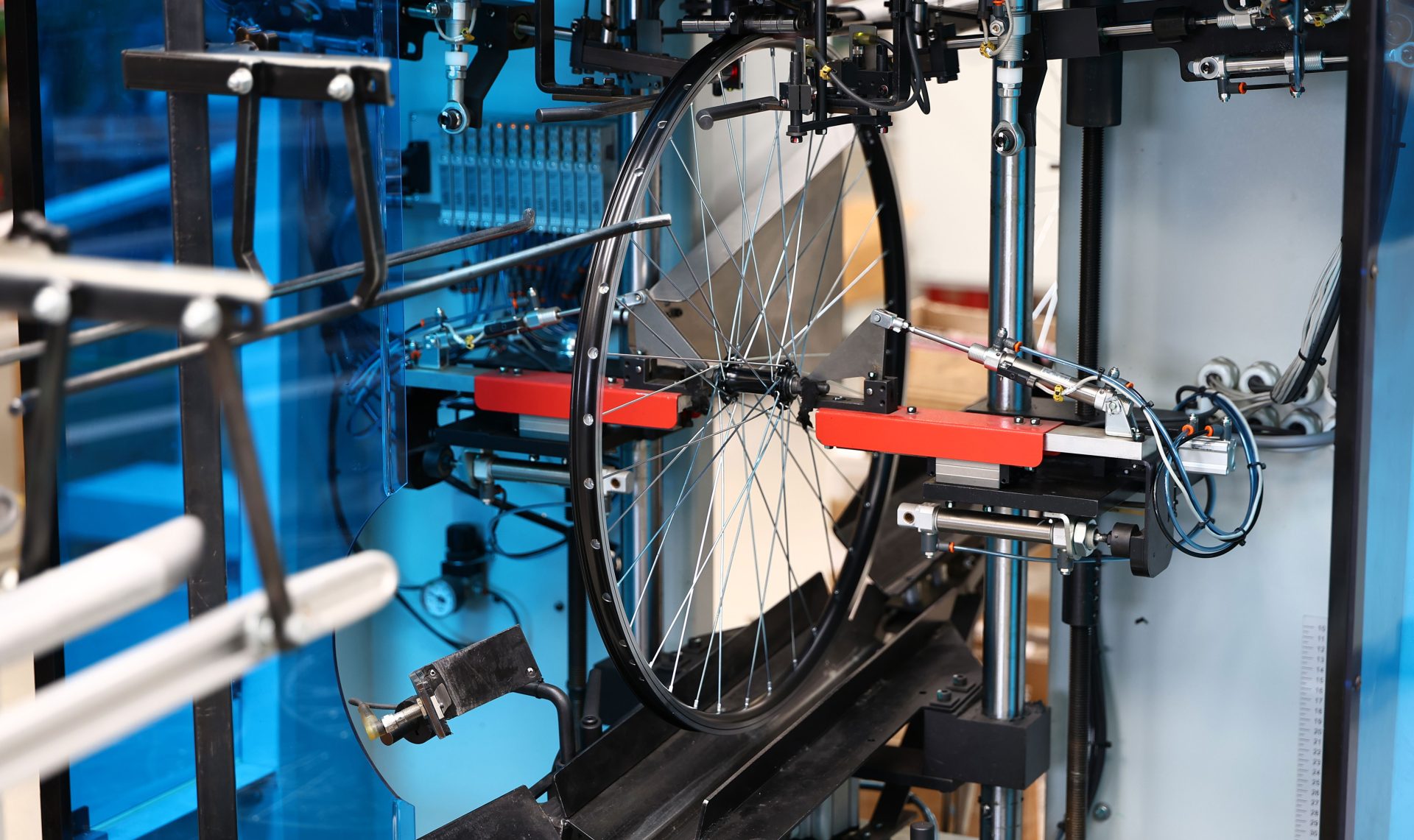


When we turn on the tap, start the washing machine or simply flush the toilet, we rarely stop to think about what happens to the used water afterwards. Yet behind the scenes, a highly complex system is at work to ensure that wastewater is properly treated before being returned to the natural environment.
In Tarján, the municipal wastewater treatment plant needed to be upgraded because the existing system was sometimes struggling to cope with the volume of incoming wastewater. Safe and reliable operation required comprehensive modernisation. Rather than focusing on a single piece of equipment, the development improved the system as a whole, covering several key stages of the treatment process.
Wastewater passes through a series of treatment stages, and the project made these processes more modern and reliable. As part of the investment implemented with European Union funding, the system responsible for the initial screening of wastewater was upgraded. New equipment was installed to remove larger pieces of waste at the very beginning of the process. The equipment used to separate sand and other suspended solids was also modernised. In the subsequent biological treatment stage, the existing treatment basin was modified and a new settling tank was constructed.
Three pumping stations in Tarján’s wastewater network – those located in Csalogány street, Cserkész street and Ady Endre street – were also renovated. Their concrete surfaces were repaired and given a new watertight coating, helping to reduce the amount of unwanted water entering the system.
The results of developments like this are almost invisible in everyday life – and that is precisely the point. The modernised infrastructure quietly does its job in the background, helping to ensure that wastewater treatment in the municipality remains safe, reliable and compliant with environmental standards over the long term.
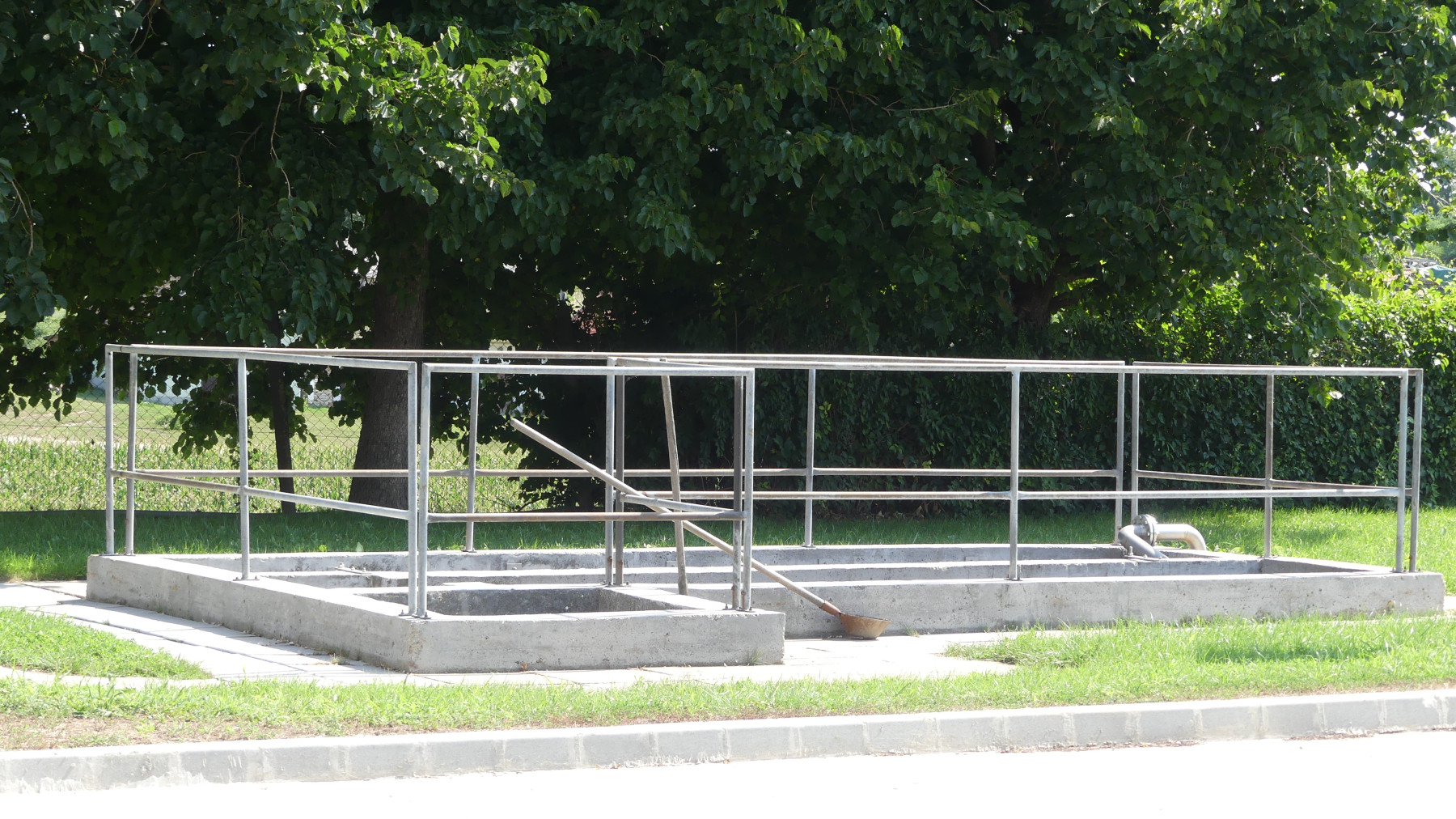
The development was implemented from EU funding in the project KEHOP-2.2.2-15-2017-00134 under the Environmental and Energy Efficiency Operational Programme.
Find out more about the project in the Project Finder:Details