

The world of art is rarely a glamorous industry. More often, it is patient, loving work whose true value is measured in the moments shared with an audience. The story of MárkusZínház in Pécs is very much like that. For decades, the company has remained committed to the belief that stories, puppets, and theatre are about far more than entertainment. Their true mission is to nourish the human soul and strengthen the power of community.
After the company was founded in the late 1980s, they spent years as a travelling troupe, taking their performances across Hungary and abroad in their covered wagon, visiting villages, towns, and festivals. Their trips abroad also served as study tours, allowing them to explore the traditions and contemporary trends of international puppetry. The puppet theatre cultures of Poland, the Czech Republic, France, and even India all influenced their work. For two seasons, they also performed in Vienna at Theater am Auersperg.
Later, they found a permanent home in the centre of Pécs, where they now welcome audiences into an intimate theatre space in a small former bakery. Most of their productions are based on Hungarian folk tales and classic stories, though they often experiment with nonverbal forms as well, where music and the visual language of puppetry carry the story. They stage around 150 performances each year in Hungary and abroad, and to this day they remain regular guests at many international festivals. Over the years, their work has received several awards, and the founders, Gábor Pilári and Zsuzsanna Vajda, have also been honoured with state decorations.
At MárkusZínház, the artists do far more than perform. They are puppeteers, dramaturges, and often the writers themselves. They design and build the sets and puppets, while also handling programming, marketing, and even the company’s financial affairs. Among all these activities, puppet-making deserves special mention. In this genre, a puppet is not just a prop — it is a character in the story, and its appearance plays a vital role in expressing its personality. In that sense, each performance begins long before anyone steps onto the stage, when these carefully handcrafted figures are created and gradually brought to life by their makers, who are also the puppeteers. Starting with just a few pieces of wood, and working step by step until the figure can finally stand before an audience and tell its story, the puppets truly come alive on stage.
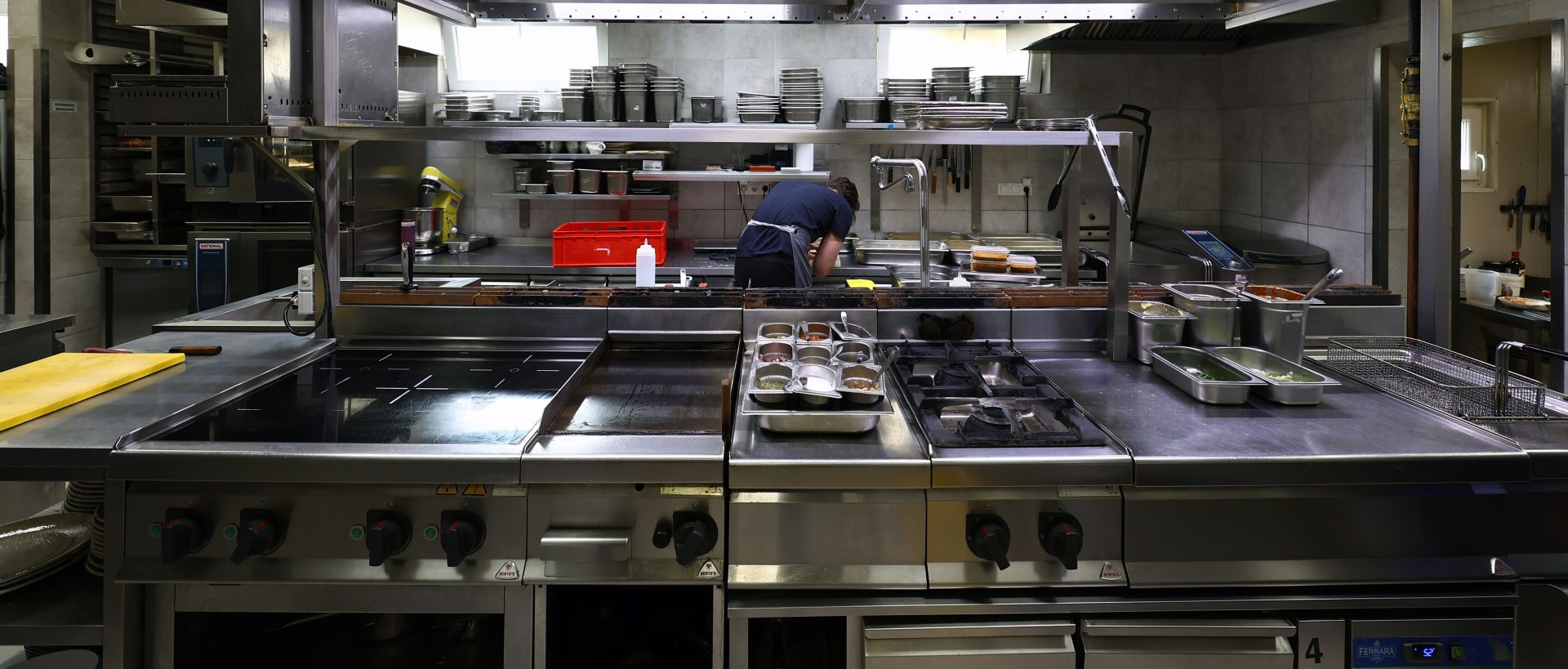
This creative work was also at the heart of MárkusZínház’s EU-supported development project, through which they established a puppet-making workshop in a building on the outskirts of the city. Equipped with hand tools and specialist equipment, the workshop provides a dedicated creative space where the puppets and sets for the theatre’s productions are made. During the project period, running the workshop also created an opportunity to employ new staff members.
Many of the puppets made in the workshop go on to become characters in the performances, but some are also created for the audience to take home afterwards — as keepsakes or as toys for children. MárkusZínház believes in telling stories about people, for people: stories that help us understand the world, give us strength in difficult times, and bring joy to everyday life. Few theatres weave art so naturally into daily life and community responsibility. Yet for decades, this is exactly the path the company in Pécs has followed. And if stories truly exist beyond time, then one can only hope that the story of MárkusZínház will continue for many years to come. We sincerely wish the company and the theatre many more beautiful years, new productions, new puppets, and many more heartfelt encounters with audiences.
The development was implemented from EU funding in the project GINOP-5.1.3-16-2017-00107 under the Economic Development and Innovation Operational Programme Plus.
Find out more about the project in the Project Finder:Details