
Active citizen engagement and credible, accessible communication were at the heart of the 10th Inform EU event, held in Kalamata, Greece, in May 2026. Staff members of the National Development Centre also took part in this major networking event for communication professionals working in EU development policy.
The aim of the three-day professional forum was to encourage participants to reflect together on how to bring EU-funded developments closer to people and how to present, in a clear and understandable way, their impact on everyday life. This year’s event was held under the motto “Engaging with Citizens”, with a strong focus on how citizens can be involved as active participants in communicating EU-funded developments.
On the first day of the conference, following the welcome remarks by the Greek organisers, panel discussions explored how to attract and maintain citizens’ interest in EU projects. Experts agreed that direct engagement and building trust are now more important than traditional one-way communication. Several presentations also focused on the European Commission’s participatory initiatives, including the “Have Your Say” online platform, which enables EU citizens to comment on draft legislation and support citizens’ initiatives.
Reaching younger generations was also a key topic. Through a wide range of examples, participants saw how communication built around real human stories can create a much stronger connection with audiences. The Greek platform postare.gr was also presented as a good practice example. Due to Greece’s geographical characteristics, the platform provides people in harder-to-reach areas with a direct channel to decision-makers, allowing them to share their development needs.
On the second day, staff members of the National Development Centre took part in project visits. Among other things, they had the opportunity to learn about the operation of a Public-Private Partnership model based on long-term cooperation between the private sector and public authorities.
One of the highlights of the afternoon was an Oxford-style debate exploring whether communication alone is capable of reaching target groups that are sceptical about EU-funded developments. This was followed by interactive project presentations from eight Member States.
From Hungary, we presented the “Presence in Catching-up Settlements” project, implemented by the Hungarian Charity Service of the Order of Malta under the Human Resources Development Operational Programme Plus. The project is considered an outstanding good practice example at international level as well, since none of the other participating countries presented a similarly large-scale and complex programme in the field of social inclusion.
A shared lesson from the presentations was that communication works most effectively when it can connect to existing community and cultural events, as well as to popular platforms. Several countries have successfully used creative communication solutions linked to television series, video games or nationwide cultural campaigns to reach younger and harder-to-engage audiences.
On the third day of the conference, the focus shifted to practical communication solutions. The workshops explored accessible communication, creative video production, and the potential use of artificial intelligence and chatbots in communication. As part of the closing programme, and in connection with Europe Day, Member States also had the opportunity to present their projects in the main square of Kalamata.
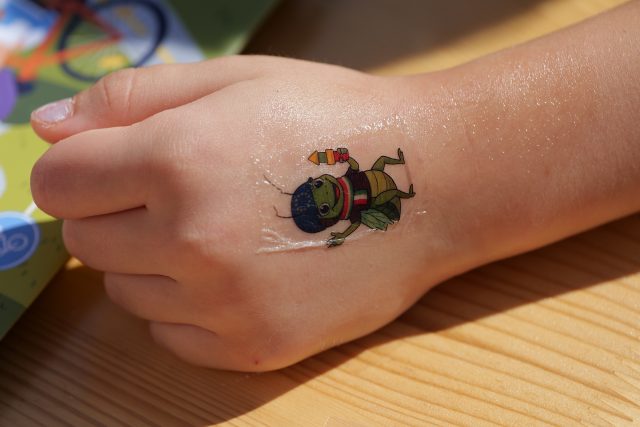
Hungary’s presentation was supported by Szecső (the grasshopper), the development policy mascot, who helped make EU-funded developments in Hungary more visible to the international audience in a playful and engaging way.
The key message of the event series was clear: successful EU communication today is no longer based solely on providing information, but on dialogue, listening and building trust.