
Sustainability is now an essential part of everyday life. It shapes how companies develop their products and influences the choices consumers make. Businesses must consider what happens to their packaging after use, how much impact it has on the environment, and how they can help people choose more responsible, eco-friendly solutions.
In Szentes, an exemplary development has been carried out: product packaging no longer ends up as waste, but becomes the starting point for new products. Coala Hungary Ltd.’s EU-funded project, “A Change in Mindset – Turning Waste into a Secondary Raw Material,” aims to replace plastic packaging with environmentally friendly alternatives made from recycled paper.
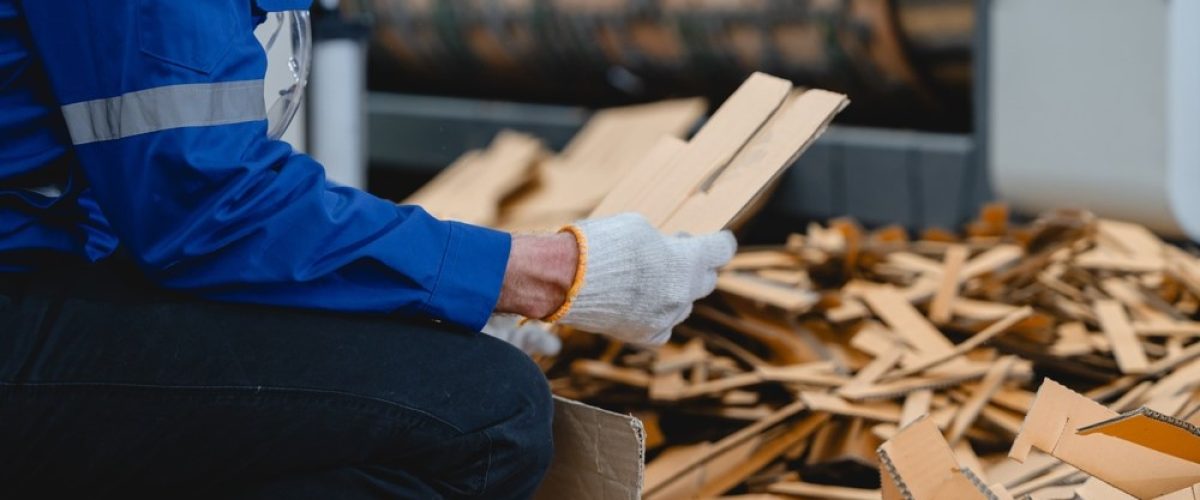
As a result, the company has introduced an entirely new product line. Its plant now produces egg trays as well as fruit and vegetable packaging trays, all made from recycled paper. The raw material is generated locally: the company produces several dozen tonnes of paper waste each month, which is now fully returned to production. Through this process, paper waste is transformed into new, marketable products. These trays serve the same purpose as traditional, often plastic-based packaging, while also being biodegradable and recyclable.
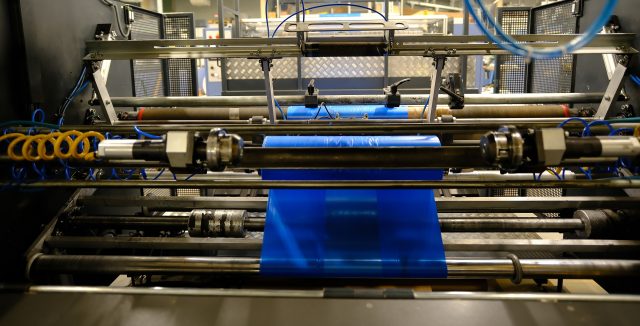
The project also included the creation of a new production unit equipped with modern machinery. Robotic material handling, conveyor belts and packaging systems work together to ensure efficient, continuous production. Solar panels help provide the energy needed for the plant in a sustainable and climate-friendly way, significantly reducing the carbon footprint of manufacturing.
The investment also benefits the regional economy. The Southern Great Plain, including Csongrád-Csanád County, is home to many agricultural producers who need reliable packaging materials. Locally made, eco-friendly trays ensure faster supply and meet the growing market demand for sustainable packaging.
Coala Hungary Ltd.’s project in Szentes shows what a real change in mindset can look like: waste is no longer a problem, but a resource. It becomes a raw material that creates new value and turns challenges into opportunities. The businesses of the future will be those that can combine economic growth with environmental responsibility.
The development was implemented from EU funding in the project GINOP-1.2.13-20-2021-00013 under the Economic Development and Innovation Operational Programme Plus.
Find out more about the project in the Project Finder:Details